

























































In a turn of events that's sure to ease the strain on wallets across the nation, the Labor Department reported a welcome downtick in inflation rates. As of April, figures show a more modest year-over-year climb of 3.4% in consumer prices. Notably, this marks a reprieve from previous months where the relentless inflation had left shoppers reeling from consecutive spikes in the cost of living.
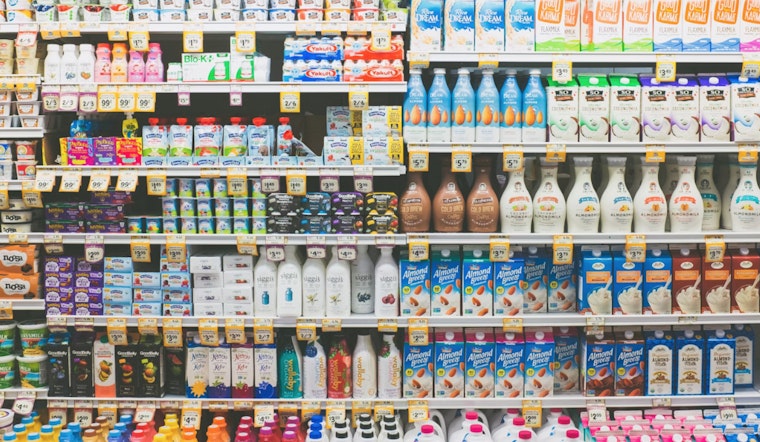
The April data, pointing to a mere 0.3% inflationary increase from the month prior, suggests a sharp contrast to recently soaring prices. With pockets feeling the pinch, the drop in essential grocery items like eggs and milk has been a particular cause for consumer cheer, despite the ongoing struggle against rising rents and gasoline expenses, WABE reports.
An even closer look at the numbers reveals that the so-called "core" inflation is on the downswing as well, with April's figure sitting at 3.6%, described as the lowest in three years. This metric, which strips out the more volatile food and energy prices, may signal a broader trend towards economic steadiness.
Investor confidence has grown on the back of these figures, with the very possibility of the Federal Reserve slicing interest rates later on in the year igniting a rally in the stock market. Yet, according to Fed chairman Jerome Powell, the central bank is expected to proceed with caution, holding off on any rate reductions until it's clear that prices are decidedly under control. Powell, speaking at a conference in Amsterdam, stated, "We did not expect this to be a smooth road... We'll need to be patient and let restrictive policy do its work." Powell sympathized with the public's discontent over inflation, acknowledging, "You tell people that inflation is coming down and they think, 'I don’t understand that. The price of all the things that I buy hasn’t come down.' And they're not wrong," he told WABE.
Despite these encouraging signs, evidence suggests that consumers' financial resilience is waning. The Commerce Department revealed that retail sales hit a standstill in April, barring the commitment of shoppers continuing to shell out more at gas stations, which saw a 3.1% climb in spending. And as wages persist to outpace prices, it has been reported that nearly one in five credit card users has maxed out their card’s limit, a hurdle that illustrates the continued pressure on household finances in the face of persistent inflation, according to the New York Federal Reserve Bank.





