

























































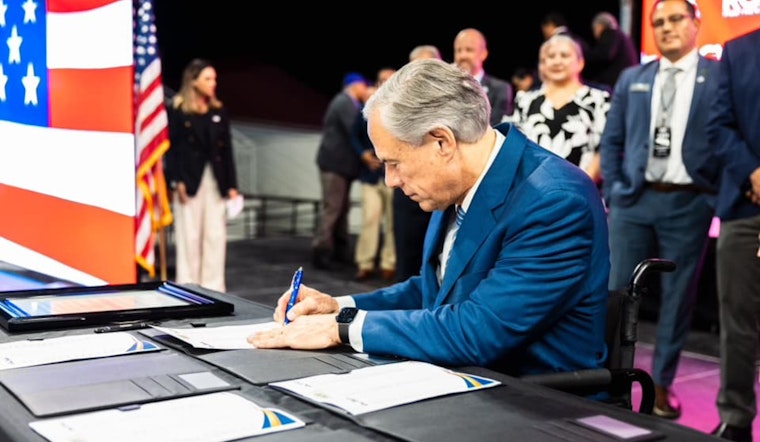
In a case that has drawn national attention and sparked heated debate over self-defense laws, Texas Gov. Greg Abbott granted a full pardon to Daniel Perry, the former Army sergeant convicted of murdering a Black Lives Matter protester in 2020. The Texas Board of Pardons and Paroles recommended the full pardon, which has now restored Perry's firearm rights and citizenship privileges.
The pardon, following an exhaustive investigation into the incident and Perry's personal history, has struck a divisive chord in Texas politics. As reported by KXAN, Gov. Abbott stated, "The Texas Board of Pardons and Paroles conducted an exhaustive review... Texas has one of the strongest 'Stand Your Ground' laws of self-defense that cannot be nullified by a jury or a progressive District Attorney."
Daniel Perry, who had been found guilty in April 2023 by a Travis County jury, claimed he acted in self-defense when he shot Garrett Foster, a participant in a BLM rally in downtown Austin. The trial presented evidence, including private messages and social media posts that seemed to complicate Perry's defense. However, as CBS Austin reported, the Texas Board of Pardons and Paroles saw fit to recommend and reinstate not just his freedom, but also his right to possess a gun.
Criticism was swift from the opposition. State Sen. Sarah Eckhardt lambasted the governor's decision, according to CBS Austin, calling it "a stunning and dangerous abrogation of the rule of law." The Foster family, still reeling from the trial's outcome and the constant barrage of harsh public scrutiny, now faces yet another challenge to finding peace. Sheila Foster, Garrett's mother, told CBS Austin in an interview conducted earlier this year, "I just cannot believe this is my life and this is what's happening... I would absolutely love to get some closure and some justice in this deal."
Gov. Abbott's actions have polarized observers, with many seeing the pardon as either a staunch defense of Second Amendment and 'Stand Your Ground' laws or a grave miscarriage of justice. As Perry prepares for release and the reinstatement of his rights, the state, and its citizens continue to grapple with the implications of this case on the justice system and the political landscape.




