

























































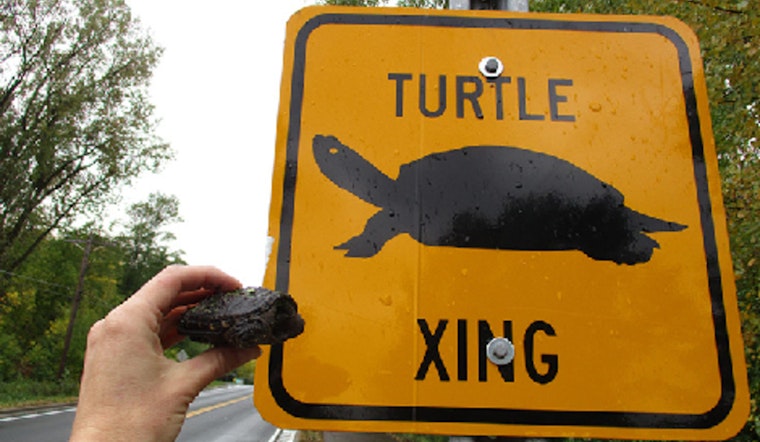
It's turtle crossing season in Minnesota, and that means drivers need to be on high alert. Female turtles are venturing out of their aquatic hideaways to lay eggs, leading them to cross roads with potentially deadly consequences. According to Scott County's latest advisory, the spike in roadkill incidents at this time of year is troubling for the state's nine species of freshwater turtles.
Wildlife enthusiasts and those with a heart for Minnesota's shelled residents should note that turtles don't start reproducing until they're in their teens. Angela Grill, a wildlife biologist for Three Rivers Park District, informed the public of the gravity of the situation, stating, "A mature female killed on a roadway is a significant loss to that population, potentially losing 30 years of reproduction." The loss is nothing short of devastating. Drivers are pressed to exercise extra caution when navigating local roads near wetlands, where turtles are known to frequently intersect with human activity.
The struggle for survival of these turtles goes beyond just avoidance of tires. Nest predation by creatures like skunks and raccoons further reduces their scant numbers. But it's not all gloom for the ancient critters who have soldiered on for 200 million years. The law steps in during May and June with a harvest ban on snapping turtles in Minnesota, aiming to shield the vulnerable nesters from additional human pressures. This time-out for turtle takings ensures that females can nest in peace, contributing to the continuity of their lineage.
Turtle Conservancy gets down to the nitty-gritty with one simple action from drivers: slow down and watch out. The turtles crossing the road are engaged in a primordial routine, one that they have performed long before cars invade their habitats. By just keeping an eye out and easing off the gas pedal, Minnesotans can do their part to keep these living dinosaurs gliding through local rivers and lakes for generations to come.



