

























































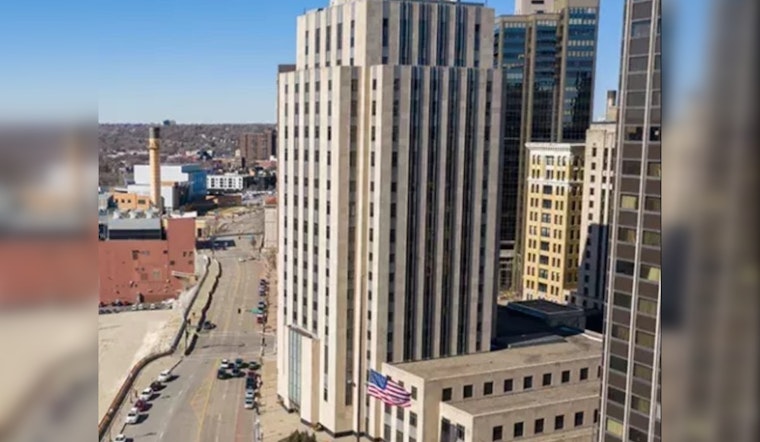
The St. Paul Board of Zoning Appeals has given the green light on a raft of new development proposals, signaling changes across various city corners. Among the approved is a request for a Major Variance by Todd Fink, making way for a new duplex with a twist to the parking predicament, it's set to see cars parked out front on Irvine Avenue, a clear shift from city zoning that usually keeps such spaces off the street.
In a link to the official document, meeting results released on May 29 show that the board's decisions favored progress but not without stipulations. Holly Brackett and Charles Breer got an affirmative nod on a 2.5-foot setback for their new garage plan, a minor variance, but a necessary relief from the full 5-foot requirement. Another, Nellie Francis Court Partnership got the go-ahead for a sizable 20.47-square-foot sign, well over the usual six, for their multi-family Hillcrest Avenue complex.
Not everyone, however, came away with an immediate stamp of approval. The application concerning 792 Rose Avenue East, referenced in the board's document, has found itself in limbo; its resolution laid over until an early June meeting, though specifics surrounding the delay were not provided.
The board's published minutes could serve as a compass, pointing toward the city's evolving landscape. Public comments and concerns had a cut-off for board consideration, ensuring that the back-and-forth of city planning included those most affected by its decisions—provided they spoke up by the 2:00 p.m. May 24 deadline. For approvals like Fink's, the contingency was set; the duplex must abide by the condition, the details of which were hammered out in the board's 4-0 vote. Noticeably, the document does not detail these conditions.
The BZA hearings maintain the dance of democracy, balancing citizen input against the march of development. The next public session, as indicated in their recent agenda outcomes, is another step in that delicate negotiation. As the city's skyline changes one variance at a time, the board's decisions reflect an open ear to innovation, while still ostensibly holding the line on zoning integrity.





