

























































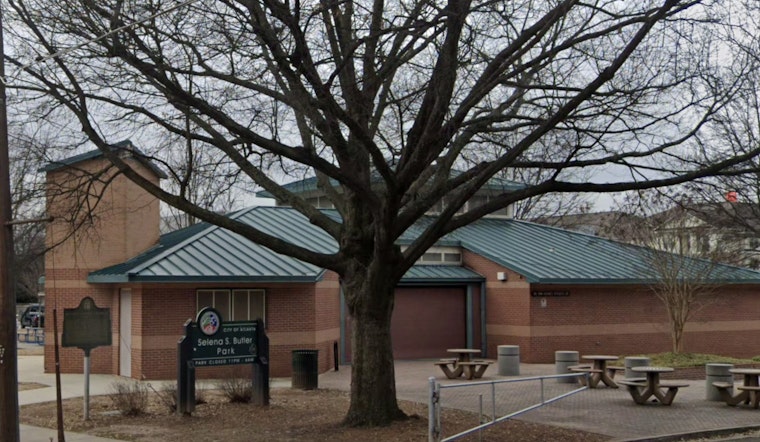
With the summer sun beating down and thermometers climbing, the City of Atlanta is stepping in to help its residents stay cool. This weekend, the city announced the opening of a designated cooling center at Selena Butler Park and Recreation Center. Open on Sunday, June 23, and Monday, June 24, from 11:00 a.m. to 6:00 p.m., the center invites residents to escape the oppressive heat, offering a reprieve during this particularly sweltering juncture of the year.
Recognizing the health risks associated with high temperatures, especially for the elderly, children, and those with medical conditions, city officials have decided to proactively open the cooling center. According to the information publicized by the City of Atlanta, water— the most basic necessity to combat dehydration— will be readily available to all who find solace within the center's walls. The City of Atlanta's announcement states that the decision aims to "provide residents with a safe space to cool down and stay hydrated during the high temperatures."
As the climate crisis continues to rear its head through extreme weather events, the provision of cooling centers has become increasingly critical. These urban oases offer not just a chance to cool down, but also a communal space where residents can collectively find comfort and support during challenging conditions. The Selena Butler Park and Recreation Center is located at 98 WM Holmes Borders Dr SE, Atlanta, GA 30312, and is accessible to anyone seeking to escape the heat.
For residents dependent on public transportation or those with mobility issues, getting to the center might present a challenge. Therefore, community officials are encouraging neighbors to help one another out. In a push to ensure that everyone has the opportunity to rapidly access the facility, Atlanta's local community groups are also joining the effort, offering rides and assisting those in need. This communal spirit, where residents and official bodies alike are banding together, mirrors the resilience of a city continually forced to adapt to the changing climate and its consequences.





-4.webp?w=160&h=400&fit=crop&crop=edges)