

























































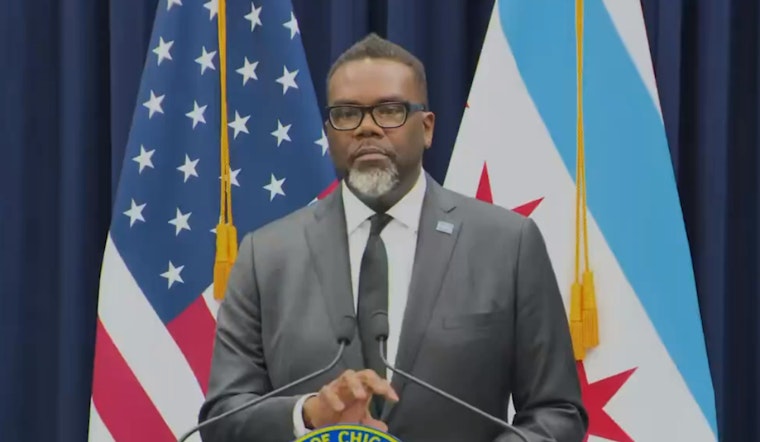
In an assertive pushback against the sway of lobbyists in municipal politics, the City Council's Ethics Committee, helmed by Ald. Matt Martin has cleared a crucial hurdle that sees tighter restrictions on mayoral campaign contributions coming to fruition, despite Mayor Brandon Johnson's clear opposition to the measure, according to a report from Crain's Chicago Business. The proposed ordinance, evolving from an executive order put in place by former Mayor Rahm Emanuel, aims to crystallize the ban on lobby donations to mayoral candidates, an addition that the Better Government Association has lauded for its potential to restore trust in governmental affairs.
The tweak in the rule comes amid revelations and subsequent backpedaling of campaign contributions to Mayor Johnson's campaign, including a $2,000 drop from lobbyist Anthony Bruno, which Johnson's campaign returned; these actions triggered calls for legislative reinforcement; thus, the city's Board of which Steve Berlin is the director outlined the need for these stricter standards to the involved parties, as detailed by the Chicago Sun-Times. Critics like Ald. Brendan Reilly suggests the measures don't quite capture the full scope of political financial influence, pointing to considerable union contributions like those from the Chicago Teachers Union to Johnson's campaign.
The ordinance intricately prohibits lobbyist contributions to any mayoral candidates and businesses where they have over 7.5% ownership and lobby on its behalf; lobbyists in breach of this regulation face a tripling of their contribution amount as a fine, or, if unaddressed, a 90-day lobbying suspension, an update from Crain's details. The decided upon 10-day grace period allows the return of contributions without penalty, a softening from the immediate punitive measures initially tabled which may appease those weary of inadvertent infractions.
However, discord within the City Council surfaces as Ald. Chris Taliaferro stands as the solo dissenting voice against the ordinance, concerned that the restrictions don't extend to other city officials, while the Mayor's team sought delays and showed resistance according to both Crain's and the Sun-Times, Martain's urging that such resistance is a display of being adverse to ethics reform which the preceding administration had set the tone for, an ambition that Martin shares with watchdog groups who believe that the absence of such legislation would result in regression, bringing back a system that, according to Berlin, was not beneficial for the integrity of Chicago politics.
While the full City Council awaits to cast their final votes, the preliminary nod from the Ethics Committee signals that ethical governance remains an embattled yet crucial pillar in the architecture of Chicago's civic landscape, these sentiments echoed by policy director Bryan Zarou of the Better Government Association who praised the expansive nature of the ordinance as a key to precluding the appearance of pay to play in a city with a past shadowed by political maneuvering.





