

























































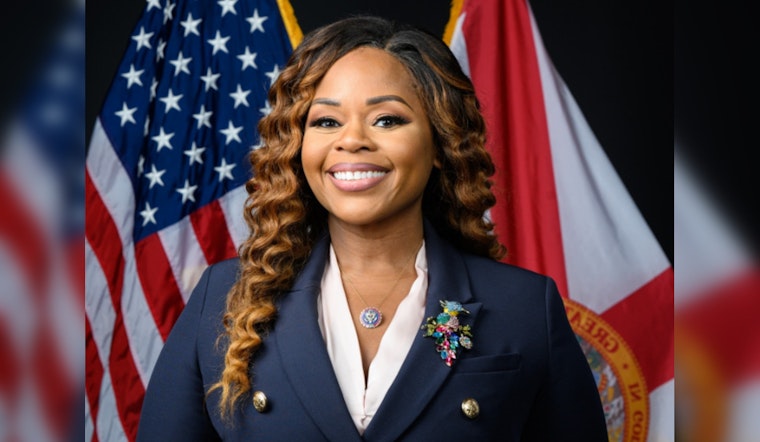
The U.S. House Ethics Committee has amplified its scrutiny into U.S. Rep. Sheila Cherfilus-McCormick, a Democrat representing parts of South Florida, as they delve into allegations concerning potential misuse of campaign and official funds. Initially probed over financing during a 2022 special election and her subsequent re-election, the inquiry has now extended to include suspicions surrounding her recent 2024 re-election campaign efforts. The Committee, through a subtle yet stern announcement on its website, clarified that the broadening of the investigation does not presume wrongdoing, but seeks to unearth the truth amidst such serious assertions.
As reported by NBC Miami, the investigation that the House panel is conducting probes into whether there was a conflation of official matters with electoral campaigns, a practice distinctly frowned upon by established regulations. According to their statement, the Ethics Committee confirmed yesterday, "mere fact of an investigation into these allegations does not itself indicate that any violation has occurred." Examining these contexts, it becomes imperative to tease out whether Cherfilus-McCormick’s campaign finance activities align with the stringent standards set forth by those who steward our democracy.
Cherfilus-McCormick succeeded the late U.S. Rep. Alcee Hastings after his passing in 2021, embodying the political resolve for the South Florida region which canvassed Broward and West Palm Beach counties. There lies a history of contention shadowing her ascent as the congresswoman previously fielded accusations from former Broward County Mayor Dale Holness. Holness, alongside his aide Justin Porter, were the defendants in Cherfilus-McCormick's Broward County-filed complaint seeking damages north of $1 million, where she claimed they smeared her reputation with embezzlement accusations in a gambit to usurp her seat.
The widened investigation into Cherfilus-McCormick, as noted by a brief declaration of the committee's new actions, entails examining a range of questions that may connect official congressional efforts with her Florida Democratic re-election campaign. The specifics of these allegations, though currently enveloped in the procedural fabric of investigative rigor, promise to either validate the congresswoman's fiduciary fidelity or mark a breach in the trust vested in her by the electorate. What stands clear in the tangle of inquiries and claims is the undeniable truth that public office is both a privilege and a gauntlet, where actions are weighed on the austere scales of ethical judgement.





