

























































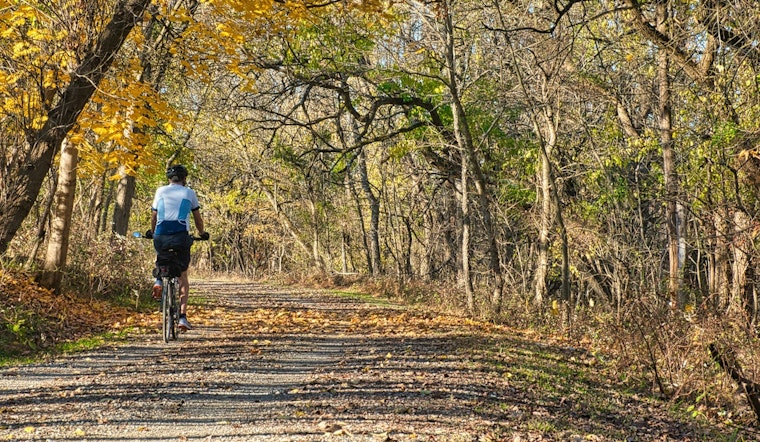
The City of Maple Grove is on a quest to revamp its trail system. Specifically targeting the Maple Lakes and Teal Lake corridor, the officials are seeking public opinion to gain insights into the community's use and expectations for the local trails. Hikers, bikers, and everyday strollers are being encouraged to voice their experiences and suggestions on making the trails more amenable for walking, biking, and overall accessibility.
With the intent to foster increased trail use and enhance the city's quality of life, the city's outreach is not merely an altruistic exercise. Wanting to reduce the reliance on cars, the feedback collected will supposedly shape a comprehensive plan that the City of Maple Grove will implement. Those looking to contribute can provide their input by following a link posted on the city’s official website.
However, the city's call for input suggests that there's room for growth and enhancement. The line of questions posed by city officials directly points to existing gaps and barriers preventing the full utilization of these community resources. "How do you use the trails? What keeps you from using them more? How can the trails be improved for walking, biking, and getting around?" suggests that despite the trails' presence, there is a disconnect between the current state and the potential optimization of these paths as conduits of both leisure and function within Maple Grove.
Residents who wish to weigh in have an opportunity to shape their environment and mobility. By sharing personal narratives and practical concerns, they contribute to a dialogue which, in essence, holds the promise of transforming the physical layout of their daily commutes and recreational spaces. The city's message, devoid of unnecessary complexity in its appeal, underscores a democratic approach to urban planning—a scenario wherein public opinion could very well direct the tangible aspects of city improvements. This process, embedded in common sense, mirrors the simplicity of a trail walk—the straight path perhaps being the most efficient route from inception to implementation.





