

























































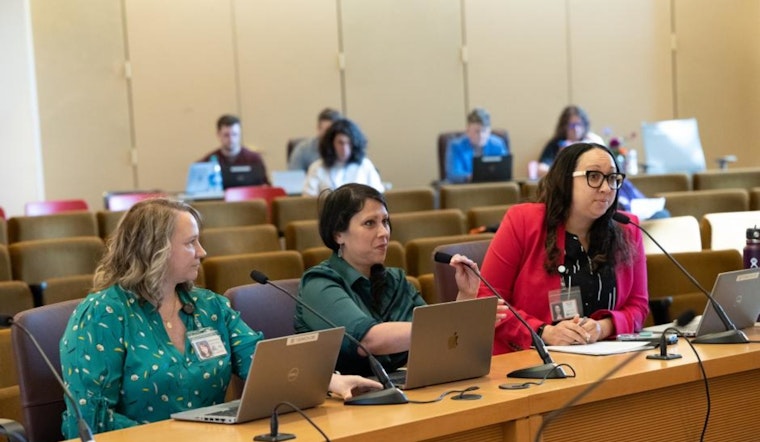
The Multnomah County Board of Commissioners got schooled on the current situation of the Behavioral Health Division recently, getting a detailed briefing on the division's work. Tasked with overseeing mental health and addiction services, the division's nearly 360 employees are busting their backs across multiple roles, as reported by Multnomah County News. From coordinating care for the uninsured to juggling a crisis hotline that took over 80,000 calls last year, these folks are the unsung heroes in a system stretched thin by escalated client needs and persistent workforce gaps.
Describing the Community Mental Health Program's wheels in motion, Health Department Director Rachel Banks pointed out the key needs: collaboration to identify client needs, round-the-clock crisis services, integration with public safety, and smooth transitions from state hospitals to community-based services. Despite the Behavioral Health Division being compliant with financial agreements, according to its latest review, there's a buzzing undercurrent of challenges that come with identifying individuals who slip through the cracks. Mapping out an actualized, data-driven approach to the gaping holes in the behavioral health care network, Banks stated, "We need to be building pathways, hallways or doors... from one part of the system to the next so folks are focused on the people and that they’re getting the services they need at every part of their journey."
The heavy lifting on those Aubrey Plaza levels of deadpan, Heather Mirasol, the division's director, broke down the Behavioral Health Division's structure, teeming with various units from Direct Clinical Services to the Office of Consumer Engagement. Tapping a wide array of partners from health systems to law enforcement, the division's work is also integrally tied in with Measure 110, which, despite not receiving direct funds, the County has played a key convener role in the movement of treatment and recovery services. Mirasol shared with Multnomah County News, "We’re eager to not only sustain the incredible behavioral health work that happens every day in Multnomah County, but to contribute to improvements in how we approach the need."
But let's talk chokepoints because there are a few. Jen Gulzow, Chief Compliance Officer and Quality Manager touched on the Aid and Assist process, citing that consultations have skyrocketed from a measly 15 per quarter to a whopping 45 - per staff member, no less. It's like trying to hold back the ocean with a broom, but innovative strides like group legal skills sessions are helping to ease the one-on-one burden. When discussing the specifics of the crisis intervention services, Mirasol gave props to the mobile crisis intervention team, highlighting that Cascadia Project Respond was able to keep a cool 68% of crisis situations from escalating, according to the data squad at Multnomah County News.
Commissioners were anything but slouchers, digging their heels in to ask the nitty-gritty. Commissioner Sharon Meieran was curious about the distinction between the Local Mental Health Authority and the Community Mental Health Program. Mirasol, playing it by the book, explained the roles, making it clear that the division is laying out the needs and proposed solutions to the Board of County Commissioners for approval. Meanwhile, Commissioner Julia Brim-Edwards zeroed in on the financials and staffing needs to keep the operation afloat.
Lastly, Chair Jessica Vega Pederson highlighted a noteworthy disconnect: while the state's comprehensive plans have been flying in under the radar without review or approval from the Local Mental Health Authority, only a couple of counties had submitted updated plans since 2015. Talk about playing catch-up with the bureaucracy beast.





