

























































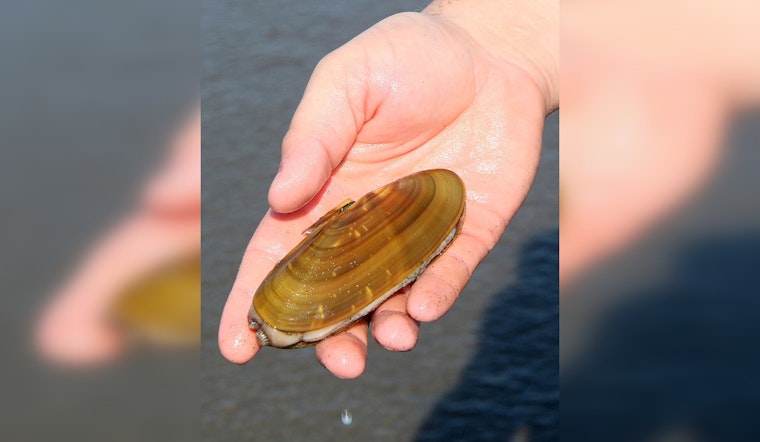
For Oregon's coastal denizens, the dinner menu just got disappointingly leaner. The entire Oregon coastline has officially been closed to all recreational and commercial razor and bay clam harvesting due to alarmingly high levels of marine biotoxin, a situation described as "historic" by the Oregon Department of Fish and Wildlife. The closures, taking effect last Thursday, include all species of clams within the bays and extend to razor clamming along the coast, as KPTV reported.
While the natural beauty of Oregon's beaches continues to draw crowds, visitors are strictly advised to not harvest shellfish at this time. As to be expected, the culprit is a toxic algae known for causing Paralytic Shellfish Poisoning (PSP), leaving at least 21 people ill since May 25. The symptoms include a swath of unpleasant reactions from numbness and tingling to more severe conditions, such as respiratory failure, particularly perilous for the young ones. This information was highlighted in a report by KATU, which duly notes that PSP can be deadly.
The toxin in question, saxitoxin, doesn't care much for culinary treatment. Regardless of whether you boil, bake, or freeze it, this resilient marine biotoxin retains its harmful properties. With no known antidote, the best anyone affected can hope for is supportive treatment, which in severe cases may include mechanical ventilation, as stressed by the Oregon Health Authority and shared by FOX 13 Seattle.
Authorities are not taking this issue lightly and have committed to continue testing for shellfish toxins with a frequency of at least twice a month. According to officials cited by FOX 13 Seattle, the reopening of closed areas will strictly require two consecutive tests showing toxin levels have dipped below a dangerous threshold. Be it as it may, current circumstances have delivered a significant blow to local fisheries and seafood aficionados alike, with the hope that this 'historic' situation will soon see a reversal.



