

























































The recent decision by Georgia's State School Superintendent Richard Woods to withdraw state funding for Advanced Placement (AP) African American Studies in local schools has sparked a strong response from educators and lawmakers. According to a statement released by his office, Superintendent Woods opted not to recommend the course for state approval, effectively nixing state aid for a program that dives deep into Black history and culture.
With this move, districts now face the challenge of shouldering the financial burden themselves if they wish to continue offering the program, as exemplified by Atlanta Public Schools' commitment to fund the class locally. As reported by FOX 5 Atlanta, "Atlanta Public Schools’ charter system status gives us the flexibility to continue offering Advanced Placement (AP) African American Studies, even though it will not be supported with state funding."
State Rep. Jasmine Clark expressed her concerns about the Superintendent's choice, affiliating his decision with others across the nation that limit access to African American studies. Clark stated, “The fact that AP African American studies was removed from our schools is alarming and an injustice to our students who eagerly anticipated taking this course." as noted by the Houston Chronicle.
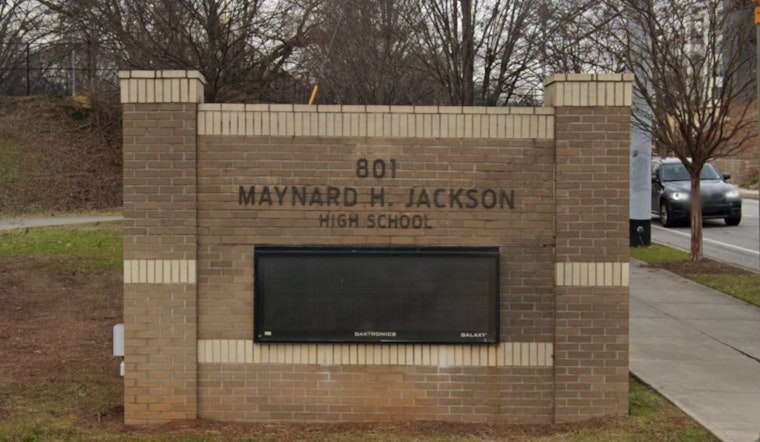
While the superintendent's office has pointed to a state-funded African American Studies course created in 2020 as an alternative, critics argue that the refusal to back the AP program sends a negative message about the value of Black historical narratives in the education system. Students at Maynard Jackson High School, who were learning about figures like Mansa Musa under the now-concluded pilot, expressed enthusiasm for the broader perspective the AP course provided. Rashad Brown, a history teacher at Maynard Jackson High School, shared the positive impact in a FOX 5 Atlanta interview, stating, "You get to look at the impact that we've had on civilization as a whole, whether it's introducing mathematics, astrology, science, [or] medicine."
Amid mounting conservative criticism, The College Board, which oversees the AP program, revised the exam's content, including the addition of more material on events like the Tulsa Race Massacre and practices like redlining. Previously, topics such as the Black Lives Matter movement, slavery reparations, and queer life had been excised in response to political pushback. Georgia joins a list of states where officials have sought to align educational content with laws banning the teaching of certain racial concepts. The Houston Chronicle highlights that in 2022, Georgia lawmakers passed a measure based on a now-repealed Trump executive order that prohibits the suggestion that the United States is "fundamentally or systematically racist."
The repercussions of the funding denial became apparent when Gwinnett County's school district, one of Georgia's largest, announced the cancellation of the course for six high schools, affecting the schedules of 240 students. Teachers and students alike have rebuked the decision, with educator Angela Williams Pitkonen asserting the class's goal is to foster understanding and empathy rather than guilt or shame. She argues that discomfort among the older generations could be causing resistance to teaching such perspectives, with a readiness to cut funding for education that brings historical truths to light. Regardless of the state's position, Pitkonen's sentiment echoes a broader call to remember history as it is, not as some would prefer it to be presented.





