

























































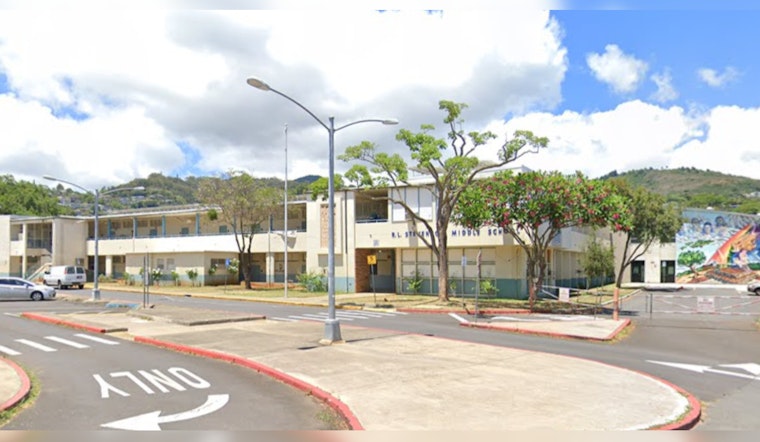
An eighth-grade student at Stevenson Middle School in Honolulu and his classmates were handed year-long suspensions for the on-campus possession of gel guns, a form of toy gun, but the decision by the Hawaii Department of Education (DOE) is now being challenged in court by the mother of one of the students, Heather McVay. McVay contends that the DOE acted incorrectly in suspending her son, who received a gel gun as a present but did not use it on school property, a matter brought to light by Hawaii News Now.
According to the lawsuit, the school authorities initially imposed a blanket punishment of a year's suspension on all nine students found with the toy guns, although only one incident of a gel gun being discharged was reported on campus, the repercussions of the suspensions despite later being reduced to 18 days, left McVay's son struggling academically and psychologically, as he faced failing grades and bouts of anxiety, based on an interview McVay gave to Civil Beat.
McVay's lawsuit, which is seeking monetary damages and the expungement of her son's record, underlines an ongoing debate over the DOE's approach to discipline and its impacts on student well-being and success; Hawaii News Now reports that the student "really felt targeted after that," with the stressful ordeal significantly diminishing his eighth-grade year, which underscores the argument that such punitive actions can have deeply detrimental effects on students' mental health and educational trajectory.
Despite DOE regulations mandating alternative instruction for suspended students, McVay states her requests for academic support were denied, which left her son to fall behind in his studies, this situation spotlights disparities in the DOE's obligation to provide equitable learning opportunities during suspensions compared to states like New York and California that have explicit requirements for suspended students to receive homework and alternative forms of instruction, as noted by a consultant in an interview with Civil Beat. The DOE, declining to comment on the pending litigation, adheres to state law defining a gel gun as a "firearm", thereby restricting them from school premises and subjecting violations to stern disciplinary measures.
Amid statewide efforts to reduce suspensions, which studies have shown disproportionately affect Native Hawaiian and Pacific Islander students, the case raises important questions about school discipline policies and the adequacy of support for those disciplined. With the hearing date yet to be scheduled, the community watches as the case develops, considering the broader implications for the future of student discipline and support within the Hawaii DOE system.





