

























































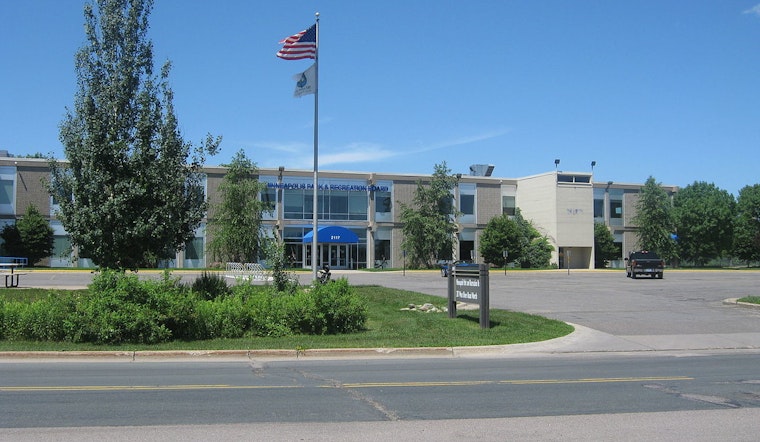
The latest development in the ongoing labor negotiations between the Minneapolis Park and Recreation Board (MPRB) and Local 363 union has the potential to disrupt the idyllic summer calm. The MPRB, in a statement last night, disclosed the receipt of Local 363’s counteroffer, which far from being a middle ground, pitches a proposal that stands a million dollars higher for the coming year than the union's previous offer.
According to the statement obtained by the Minneapolis Park and Recreation Board, the new counteroffer from Local 363 rings in at $7.5 million over three years. This is a substantial climb from their last three-year ask of $6.7 million. On the other side of the table, the MPRB's final offer included a 10.25% wage increase over three years plus market adjustments for several positions, amounting to $4.6 million over the same period. But Local 363's counter is not just about the percentages and pennies; it's also wrapped up in discrepancies in contract language that remain at large.
With the stakes clearly articulated, the MPRB expressed a readiness to roll up its sleeves and dive back into negotiations, calling upon the services of the Bureau of Mediation Services to mend the widening rift. The difference in dollars is one thing, but if the two sides can't speak the same contractual language, finding common ground may require more than a financial compromise. The MPRB has not minced words about their view on the counteroffer, stating, "Local 363’s counter proposal has moved the wages and compensation portion further apart."
What does this mean for Minneapolis's green refuge? Should the two parties fail to come to an agreement, the city could face disruptions to park services that residents and visitors alike hold dear. It could also set an uncomfortable precedent for negotiations between public agencies and labor unions in the region. Yet, hope flickers on the horizon with the MPRB looking forward to a return to the negotiating table, a sentiment echoed in their assurance that they are eager to hash out the "significant differences" that keep both parties from shaking hands.




