

























































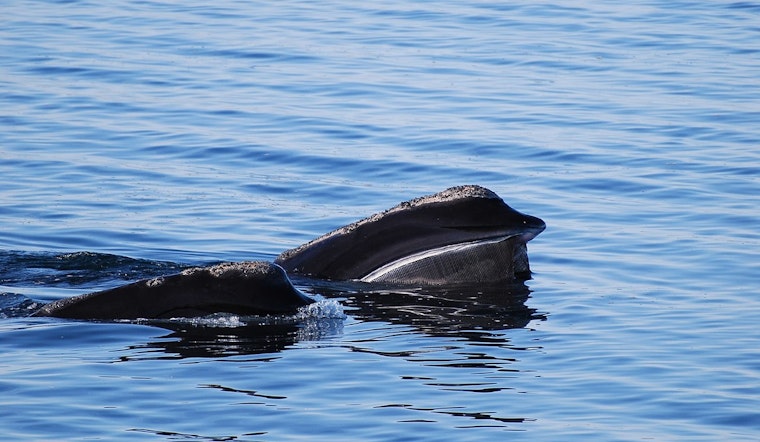
In a recent and rare marine spectacle, a North Atlantic right whale has been sighted off the coast of Ireland for the first time in over 100 years, far from its usual haunt near Georgia and Florida's waters. The sighting, which took place in Northwest Ireland's Donegal Bay on July 15, 2024, was confirmed by the Irish Whale and Dolphin Group (IWDG) after consultation with U.S. whale experts. Pádraig Whooley, the sightings officer at IWDG, remarked that this unexpected encounter is a testament to the rapidly changing marine environment, "Every time you go out looking for whales now, you're kind of just saying, ‘Expect the unexpected' because things are changing rapidly out there," he told GPB.
These typically New England-bound marine mammals have been forced to alter their migratory patterns, a shift attributed to climate change and the consequent scarcity of prey. NOAA points to the enduring impact of climate change, noting it’s "affecting every aspect of right whales' survival." In an era where warming sea temperatures have become the norm, species like the North Atlantic right whale are more frequently being spotted in historically unusual locales, a clear signal that adjustments to their long-held routes are not just necessary but, quickly becoming routine, as reported by GPB.
The North Atlantic right whale, with an estimated population of only around 360 individuals, faces the looming threat of extinction due to vessel strikes and entanglements in fishing gear. The last reported sighting of a right whale in Irish waters was in 1910, when it was found on the dissection deck of a whaling company. This stark contrast to the recent live sightings has intrigued conservationists and marine biologists worldwide.
Initiatives to protect these whales are ongoing, and not without contention. U.S. Rep. Buddy Carter of Georgia has proposed delaying NOAA's recommended expansion of slow zones for vessels—areas designed specifically to reduce collisions between these gentle giants and marine traffic. As nations grapple with their role in the preservation of such species, Whooley implores humanity to consider a shared existence: "It's really up to us as individuals and as a species," he told GPB. "Do we feel that we are able to share this wonderful planet with this wonderful species? I hope we come to the right answer."





.jpg)