

























































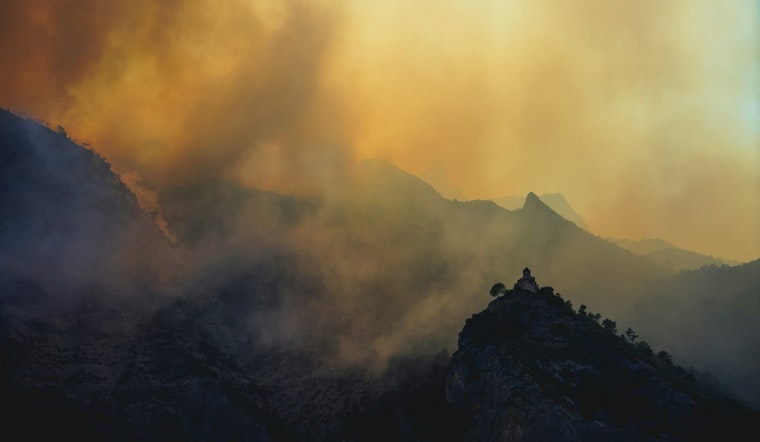
Chicago's skyline is looking a bit smudged this week due to smoke from wildfires in Canada, with air quality concerns stretching into Wednesday. Conditions have deteriorated as a mix of ozone pollution from the city's still air combines with the haze carried on high-pressure winds from the west, affecting the region's air quality. The Environmental Protection Agency indicates air quality at times may slide into the "Unhealthy for Sensitive Groups" category, urging those with respiratory issues, the elderly, and young children to reduce outdoor activities.
Rising temperatures and diminished rainfall Western U.S. are feeding the flames, contributing to the smoke drifting as far as City. Despite the stirring of concern amongst sensitive groups, the rest of the population is encouraged to carry on as usual, with the expectation that the smoke will disperse by Thursday as atmospheric conditions shift. According to CBS Chicago, "This minor brush with wildfire smoke this week will not be as significant, and smoke is expected to clear our area Thursday as the high pressure ridge shifts."
Last year, Canada experienced its most severe wildfire season on record, an expanse that eclipsed the size of Greece. The fires not only ravaged the land but also wreaked havoc on air quality, intensifying to the "Unhealthy for All" level periodically in the Chicago area. Many factors, including record-breaking heat and dry conditions linked to man-made climate change, have been accelerating the intensity and frequency of these wildfires. Jen Brady from Climate Central last July had observed, "It's all coming at once and it's all coming in one year," highlighting the convergence of various environmental stressors according to a statement obtained by CBS Chicago.
As of midday Wednesday, the air quality in Chicago remained in the 'moderate' category, according to federal measurements. An advisory is in place cautioning those "unusually sensitive" to particle pollution, suggesting a dial-back on outdoor activities through at least Friday, as stated by NBC Chicago. The trend of hot conditions in the western U.S. spells the possibility of supplying even more fuel to the ongoing fires, with most of the country bracing for temperatures above-average and precipitation levels lower than usual over the coming fortnight, based on forecasts from the Climate Prediction Center.





