

























































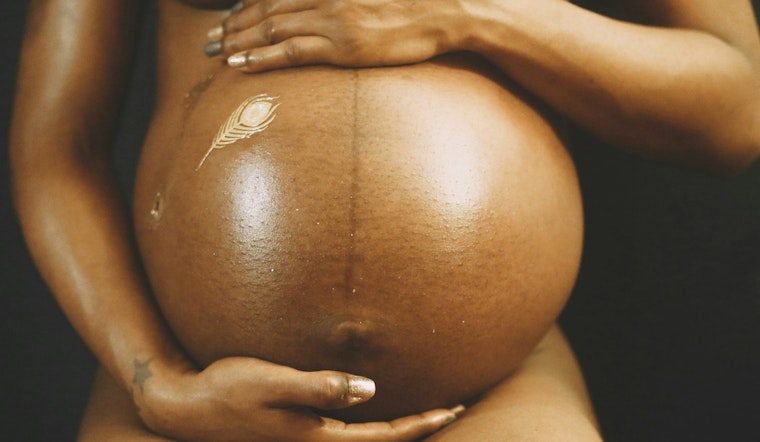
The quest for racially diverse sperm donors hits close to home for Black women seeking to become mothers through artificial insemination, but the lack of Black sperm donors is presenting them with a heart-wrenching dilemma: wait indefinitely for a matching donor or settle for a donor outside their race. According to a recent investigation by the Chicago Sun-Times, women like Venus Brady faced a slim selection at local banks and had to broaden their search, often settling for biracial donors when an exact ethnic match couldn't be found.
Disparities in sperm bank donor ethnicity reflect broader systemic issues. Black men make up about 13% of the U.S. male population but represent less than 3% of sperm bank donors, the Fertility and Sterility Journal reported. This is in stark contrast to white men who comprise a majority of donors at 61%. Chicago Sun-Times analysis of the Midwest Sperm Bank's donors revealed a stark 81% identified as Caucasian, while just one solitary donor was listed as African American. Another, with mixed heritage, described himself as "Caucasian and African American."
Experts point to a complex web of issues behind these statistics, including historically rooted mistrust of the medical system among Black men, the industry-standard requiring a bachelor's degree, which can limit the pool of eligible donors, and specific concerns over being labeled absentee fathers. According to Dr. Cassie Hobbs, a coauthor of the aforementioned study, many Black individuals lack comprehensive family medical histories due to historical inequities in healthcare access, making it harder to meet the sperm bank's stringent requirements.
Moreover, the issue is not just Chicago-centric. CBS News found that a mere 4% of sperm donors in major cryobanks are Black, which echoes a similar investigation by The Washington Post. For individuals like Jamila Galloway, the lack of diversity in sperm donors presented a tough choice: proceed with the available options or potentially forego motherhood. "It almost felt like I was having a bit of my decision taken away from me," Galloway told CBS News.
Amidst these challenges, steps are being taken towards inclusivity and representation. Angela Stepancic intends to open Reproductive Village Cryobank in the fall, the first Black-owned cryobank, which plans to prioritize recruiting Black donors and offer more options for Black women. Stepancic's cryobank, as she told the Chicago Sun-Times, aims to address longstanding disparities by providing care and resources that resonate with the Black male experience. In the meantime, other cryobanks, according to CBS News, claim to be actively seeking ways to attract more donors of color and educate the public to dismantle taboos around sperm donation.
As the fertility industry grapples with these disparities, the voices of affected women resonate with a call for change. As Dr. Hobbs emphasized, "I think we just need to continue speaking out about this because a lot of people are just, like, 'Oh, I didn’t even know there was an issue,' “Hobbs says. “I think it needs to come from us."


