

























































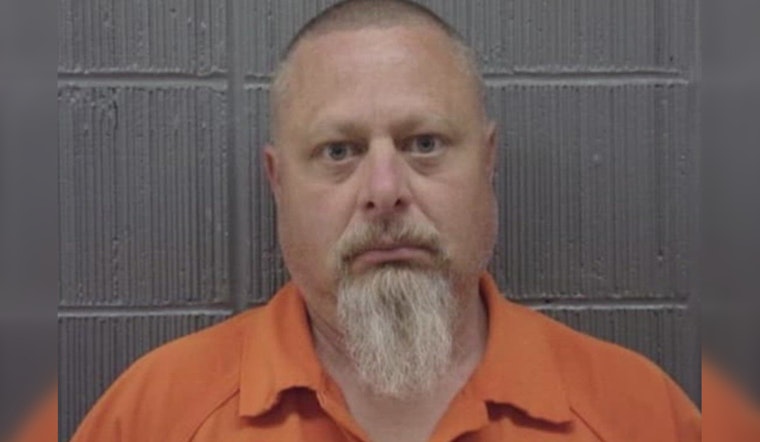
Richard Allen, the accused in the Delphi murders of two teenagers, has purportedly confessed to the crimes over 60 times, revealed an Indiana State Police detective. This information surfaced during the second day of hearings prior to Allen's forthcoming October trial. WTHR reported that these statements, made while Allen has been incarcerated at Westville Correctional Facility, are now under scrutiny as his defense team seeks to have them suppressed.
Allen has been in a maximum security state prison for the last 21 months following his arrest for the 2017 killings of Abby Williams and Libby German. Carroll County's prosecutor has indicated there are dozens of these confessions available to present to a jury. According to WTHR, multiple witnesses have corroborated the existence of these confessions during the surprising testimony on Wednesday.
However, the defense brought forth their counter with testimony from a prison psychologist. Dr. Monica Walla, based on her examination, suggested that Allen’s mental health had severely deteriorated due to his pre-trial detention conditions. Fox59 included reports from Walla describing the defendant as isolated, harassed by other inmates, and engaged in self-harming behaviors, evidence of "grave mental illness".
Furthermore, going on to detail the severe conditions that may have impacted Allen's mental state, Walla testified that conversations with Allen were limited, conducted either through a cell door crack or while he was inside “a cage” in an interview room. He started to exhibit signs of "grave mental illness," Walla claimed as Allen was continually exposed to a harsh and unforgiving detention environment, as reported by Fox59. These conditions, Walla suggested, might have led to Allen desiring to finally confess to the crimes six years after they had occurred.
Allen's legal team will likely lean heavily on Dr. Walla's testimony to challenge the credibility and admissibility of the confessions, positing the assertions that Allen's compromised mental state casts significant doubt on the truthfulness of his many confessions. This testimony and upcoming arguments from both sides are set to play a critical role in the trial proceedings slated for later this year.





