

























































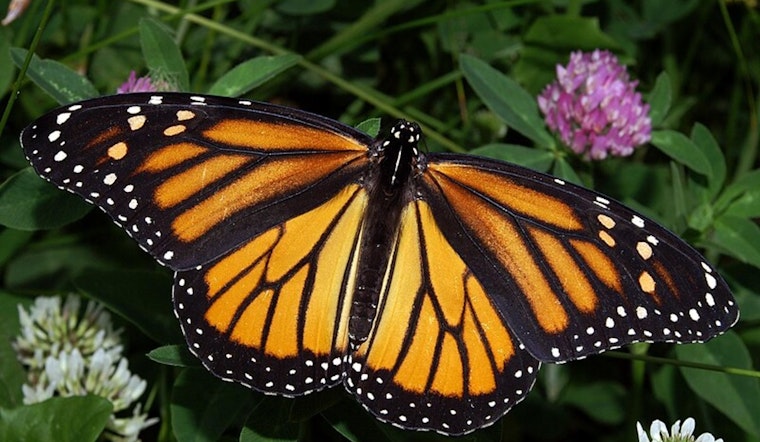
The once ubiquitous monarch butterfly is now encountering a perilous decline in Illinois and the Upper Midwest, a phenomenon that has been noted by backyard gardeners and nature enthusiasts alike. As reported by the Chicago Tribune, experts have observed that the number of eggs laid by monarch butterflies this season has dipped alarmingly. Karen Oberhauser, founder and coordinator at the national Monarch Larva Monitoring Project, confirmed that "the numbers are low throughout the Upper Midwest."
This trend, however, has been in the making for a while, with monarchs' numbers on a steady descent since the 1990s due to a combination of factors, notably the loss of milkweed habitat. Kristen Baum, Director of Monarch Watch, expressed concern over this summer's low monarch sightings. "Lots of people are reporting they haven’t seen monarchs where they normally do," Baum told the Chicago Tribune, signaling a broader issue that experts are still striving to fully understand. The "super generation" of butterflies that migrate annually to Mexico experienced one of their worst winters on record in 2023-2024, which subsequently led to fewer butterflies initiating the northern migration.
According to the Chicago Sun-Times, climate change and extreme weather patterns are identified as critical threats to the continuation of the monarch butterflies' migratory journey — a natural spectacle cherished by many Chicagoans. Lindsay Keeney, conservation director at the Illinois Environmental Council, highlighted the potential ramifications, stating, "The loss of the world’s longest migration path would certainly be an indescribable and devastating tragedy."
These dramatic population declines are not just a concern for these ethereal pollinators but signal broader ecological disruptions. A steep drop was recorded by Mexico’s National Commission for Protected Natural Areas, which observed migratory monarchs covering just 2.2 acres this winter, a 59% decrease from the previous year. "If you have a very small number and then they hit terrible spring conditions, then we’ll be really worried," Aster Hasle, lead conservation ecologist at the Keller Science Action Center, shared with the Chicago Sun-Times.





