

























































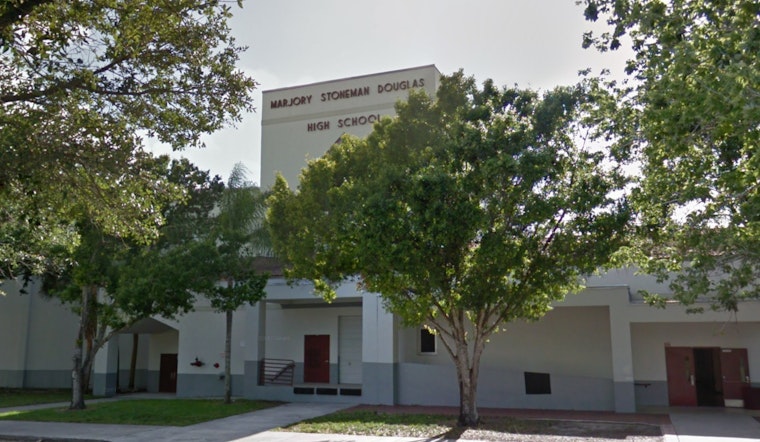
As the wounds of the Marjory Stoneman Douglas High School shooting remain raw, the Broward law enforcement community convenes with determination, yet their efforts seem stymied by a persistent challenge: communication. A recent meeting disclosed disquieting revelations—six years post-tragedy, and Broward County's emergency responders are entangled in the same critical breakdowns in communication that characterized the horrific events of 2018. WSVN reports that if a 911 call were made from Stoneman Douglas High School today, responders would still grapple with disjointed dispatch systems, an issue instantiated by the haunting recollection of the separate channels used during the shooting that cost 17 lives.
While the Coral Springs Police Department and Broward Sheriff's Office came together in a recent commission meeting to discuss enhancements to their protocols, the echo of frustration is unmistakable—articulated poignantly by Pinellas County Sheriff Bob Gualtieri. "If the slaughter of all those children and staff can't move critical mass to do what's right, nothing will," Gualtieri asserted, emphasized once more in a separate commission meeting. There, feelings of dismay were palpable as leaders lamented the languorous pace of progress.
Indeed, echoed by the commissioners' frustrations were sentiments of dismay, as the lack of a comprehensive solution belies the obvious peril such lapses invite. According to NBC Miami, communications challenges have dogged the county for nearly 15 years and remain unresolved. Sheriff Gregory Tony addressed the commission, expressing that city managers and administrators must take decisive action on these issues—an impetus obstructed by enigmatic bureaucracy.
Nevertheless, there's a silver lining amid the stagnation, with Broward County Public Schools Superintendent Dr. Howard Hepburn providing a brief respite from the grim landscape of technical gridlock. Embracing an ethos of collective responsibility, Hepburn introduced the commission to a suite of proactive safety measures. "Today our students and staff are safer than they've ever been," he told the commission, highlighting advancements such as metal detectors and a pioneering drone program intended to surveil and quell disturbances from above.
Yet, the inefficiencies of a fragmented emergency communication system. CSPD's Chief Bradley McKeone revealed that a system integration is on the horizon, but its completion is a glacial process, one that even the motivated Coral Springs department cannot expedite absent Motorola's implementation. McKeone tempered expectations with a dose of stark realism, projecting at least another year's wait. Despite this, a temporary fix has been put in place, with a special channel designated for active shooter events—only a stopgap for a systemic quandary that demands more than temporary patches.





