

























































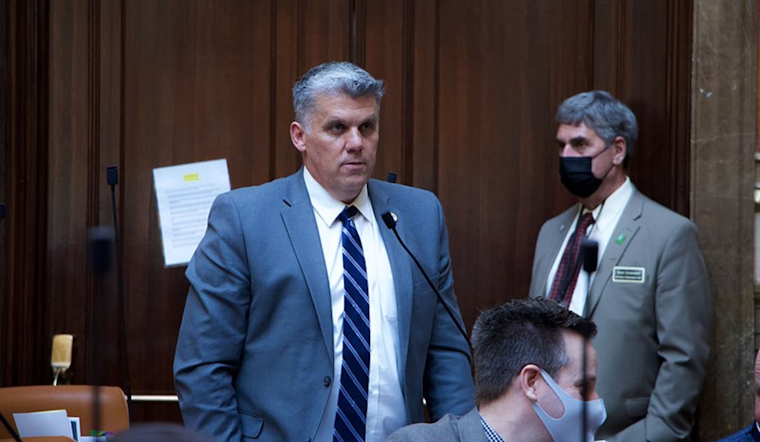
The tides of contention rise as Utah's political scene finds itself yet again at the heart of legal wrangling, with State Rep. Phil Lyman's latest move to impede the printing of November's general election ballots until the resolution of his case. Lyman, who suffered a defeat by over 37,000 votes to Gov. Spencer Cox in the June 25 GOP primary, persists in his pursuit of office, this time appealing to the state's highest court. According to KSL, Lyman announced his intent to run as a write-in candidate for governor.
Following his defeat, Lyman initiated litigation in Utah's 3rd District Court, seeking a list of names of individuals who signed ballot access petitions for Cox. This list, Lyman argues, could cast doubt on the validity of the signatures collected, propelling him to take the matter to the courts—a legal maneuver that has, to date, been unsuccessful. "We plan to appeal", Lyman stated, as cited by Deseret News, reflecting a tenacity undeterred by the Utah Supreme Court's recent denial of his petition.
Utah's political apparatus, however, seems poised for the upcoming general election. The Utah GOP Chair Robert Axson shared his disapproval of Lyman's write-in campaign proposition, emphasizing the party's commitment to their current nominees. "The Utah Republican Party has been, and will continue to be, focused on winning elections and helping advance the principles of our Party", Axson said, as per the Deseret News.
Looking ahead to November, the electoral landscape of Utah is taking shape, with various candidates vying for the governor's seat. Alongside Lyman's write-in effort and Cox's campaign, Democratic nominee Utah Rep. Brian King, Libertarian candidate J. Robert Latham, Independent American Party candidate Tommy Williams, and independent candidates Tom Tomeny and Charlie Tautuaa will also join the fray, according to an article by ABC4. This development unfolds amid Lyman's legal challenges and his unyielding assertion that the electoral process, as it pertained to him, was flawed.





