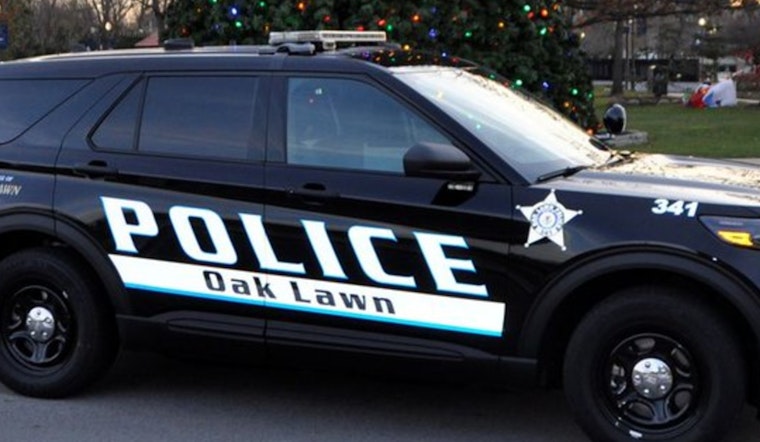
An Oak Lawn police officer, Patrick O'Donnell, who is charged with punching a teenager during an arrest, has chosen a bench trial before Judge Domenica Stephenson, with proceedings slated to begin on December 19th—a judge with a history of acquitting Chicago police officers, as reported by ABC 7 Chicago. In 2019, Stephenson acquitted three CPD officers who were accused of conspiring to cover up the details surrounding the fatal shooting of 17-year-old Laquan McDonald, a ruling that stoked the flames of controversy over police accountability.
Officer O'Donnell was indicted on felony charges after cellphone footage emerged depictin´g him allegedly striking 17-year-old Hadi Abuatelah on the head after the teen fled a traffic stop in July of last year; the case has garnered significant attention, highlighting the ongoing discourse on police conduct and use of force within the community, as detailed by Chicago Sun-Times.
James McKay, O'Donnell's attorney and a former prosecutor renowned for defending law enforcement officers, asserted that Abuatelah was reaching for a bag containing a handgun at the time of the incident, a claim bolstered by Oak Lawn Police Chief Daniel Vittorio who was present in court during a recent hearing, ABC 7 Chicago notes. Following the aftermath of the footage that brought scrutiny to the Oak Lawn Police Department, protests erupted, drawing attention to the large Muslim population in the area and casting a greater spotlight on the controversy and demands for justice.
According to the legal strategy outlined by McKay and approved by the court, evidence of Abuatelah's prior incidents, including a school fight and a previous arrest involving a health club robbery, may be presented to potentially influence the character assessment of the teen during trial; these tactics mirror McKay's history of shifting focus onto the credibility of alleged victims as seen in past cases, which resulted in wins for his clients, Chicago Sun-Times reports suggest. During one such incident after another, the defense painted an image of individuals pushed to the brink, leading to their actions—McKay having previously defended a police dispatcher in a road rage incident and a Chicago police sergeant in a case involving the use of force against a minor.