

























































Preparing for the unpredictable world of infectious diseases, San Diego County is set to significantly beef up its epidemiological armor with an infusion of grant funds aimed at disease forecasting and readiness. As the County of San Diego reported, the Board of Supervisors greenlighted a $425,000 grant from the Centers for Disease Control and Prevention (CDC) through the University of California San Diego (UCSD). This is not a standalone gesture of support but an enlargement to the existing coffers from last year's $1.3 million CDC grant received under the Resilient Shield UCSD Grant Project.
This extra funding is not just a boost for the county’s budget. It will help County Public Health experts, known as ‘disease detectives,’ use disease modeling to study past health crises and other data. This will help them predict and manage potential future outbreaks, especially in high-risk communities in San Diego. Dr. Ankita Kadakia, interim Public Health Officer, emphasized the expected benefits, stating, "This new information will help our County be more ready for upcoming disease outbreaks, make decisions on how to keep the public healthy and train local health professionals," according to the County of San Diego.
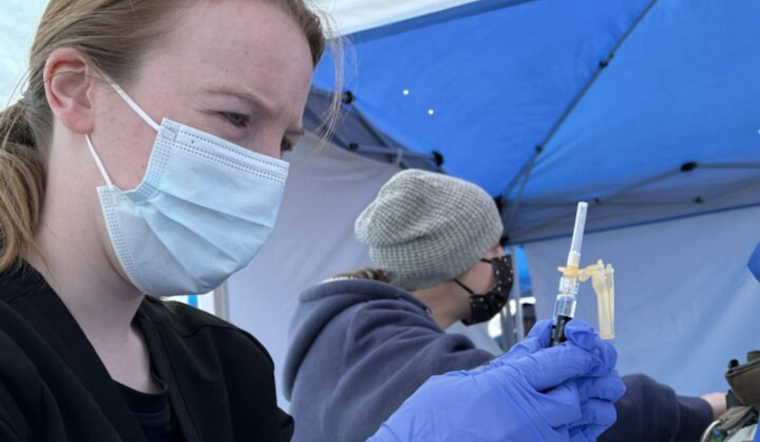
Similarly, this databank of disease dynamics helped the County’s initiative to curb hepatitis A spread among the homeless population, showcasing the efficacy of a gift card incentive program to ratchet up vaccination rates. Plans for the fresh supply of funds ambitiously extend to addressing tuberculosis control and monitoring dengue fever transmission patterns. What unfolds in San Diego, however, does not merely stay in San Diego, as the results of these public health endeavors are to serve as a blueprint to aid health jurisdictions and inform disease modeling practices nationwide. The grant's lifecycle runs through September 2028, casting a long-term net of preparedness against the tides of potential health crises.





