

























































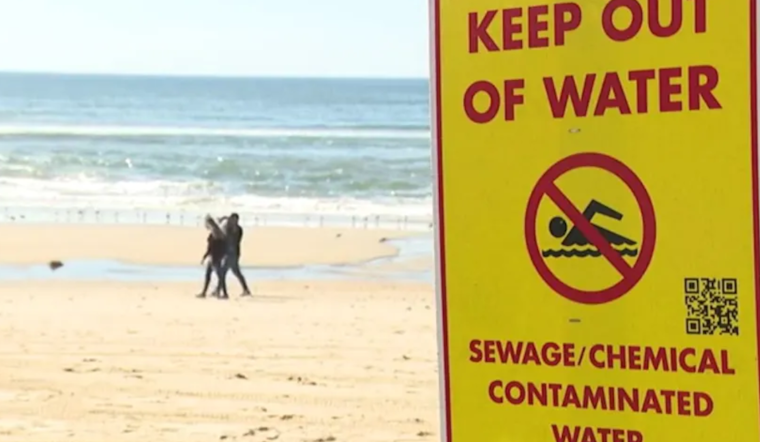
Addressing ongoing health concerns in the Tijuana River Valley, the County of San Diego is stepping up its game by enhancing the public health-focused website and nearing the completion of a noteworthy agreement with the CDC for a community assessment. According to the County of San Diego, Chairwoman Nora Vargas emphasized the gravity of the situation: "For years, the communities in the Tijuana River Valley have endured the severe impacts of pollution, creating one of the biggest environmental and social justice crises of our time." Vargas' persistent advocacy has been instrumental in initiating this crucial development.
The CDC’s Epi-Aid investigation will examine how sewage exposure affects South San Diego County households throughout 2024. This study will check the health impacts of air, water, and work-related pollution. They’ll use a particular survey method and interview several hundred households with help from local and state agencies. The CDC will control when the results are shared, but this study could significantly impact residents dealing with this environmental problem.
The effort extends beyond surveys. The South County public health website, launched in early 2024, is reshaping into the Surveillance Bulletin: South Region Health Concerns. Here, locals can track weekly updates every Wednesday on gastrointestinal and respiratory symptoms observed in nearby emergency departments. As reported by the County of San Diego, Dr. Ankita Kadakia, Interim County Public Health Officer, highlighted the initiative, remarking, "Public Health Services has worked with the community to address their concerns about this ongoing pollution for more than a year." Indeed, the endeavor for transparency is progressing, though data has yet to show no significant respiratory illnesses.



