

























































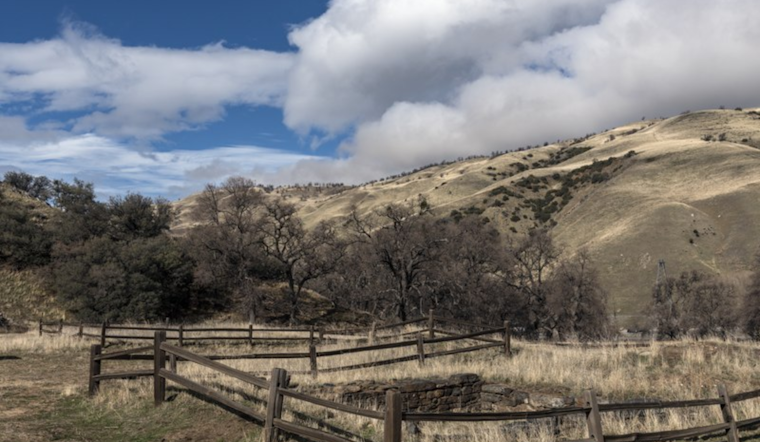
In a typical California fashion, where the weather turns extreme, a fungal threat worsens with the state's dryer spells. Named Valley fever, this infection arises from the Coccidioides fungus, kicking up dirt and health concerns across the counties. According to a new study by the University of California San Diego and University of California Berkeley researchers, published in The Lancet Regional Health - Americas, there's a pattern to the disease's occurrences linked to climatic fluctuations.
The study dissects data of reported Valley fever cases from 2000 to 2021, collaborating with the California Department of Health to unravel the seasonal cycles of the disease. The findings suggest an annual hike in cases around September to November, although this can vary across different counties. Sometimes, an expected seasonal peak simply doesn't happen. "Most seasonal infectious diseases show a peak in cases every year, so we were surprised to see that there were certain years during which few or no counties had a seasonal peak in Valley fever cases," said Alexandra Heaney in a UC San Diego article release, Ph.D., an assistant professor at the UC San Diego Herbert Wertheim School of Public Health and Human Longevity Science, pointing to droughts as a potential driving factor in these irregular patterns.
It's a particular concern for those with outdoor lifestyles, as Valley fever does not spread person-to-person but through inhaling spores from disturbed soils. As per the California Department of Public Health, these risks surged with the drought, as evidenced by the tripling of cases from 2014 to 2018 and again from 2018 to 2022. The infection can be tricky to diagnose, often mistaken for other respiratory illnesses such as COVID-19, leading to dangerous underestimation of its presence.
Simple protective measures like minimizing outdoor exposure during dusty periods and wearing dust-blocking face coverings are recommended. There's also a clarion call for better fungus monitoring, which is notoriously challenging given the inconspicuous nature of the pathogen. Looking ahead, Heaney's team is setting sights beyond California to map the range of Valley fever hotspots across the States, with Arizona flagged next due to its hefty share of nationwide cases.



