

























































The tides of change are sweeping through the Chicago dining scene, with several notable restaurants shuttering their doors. Among them, celebrity chef José Andrés’ Cafe by The River, located in the Bank of America Tower, has made an exit. The establishment, which served Loop workers who have seen their numbers fluctuate post-pandemic, announced its closure as temporary, according to an Eater Chicago. Whether this is a strategic seasonal withdrawal or a hint at deeper struggles remains to be seen. The ripple effects of the post-pandemic work habits are hard to predict, even as Bank of America has pushed for more in-office presence.
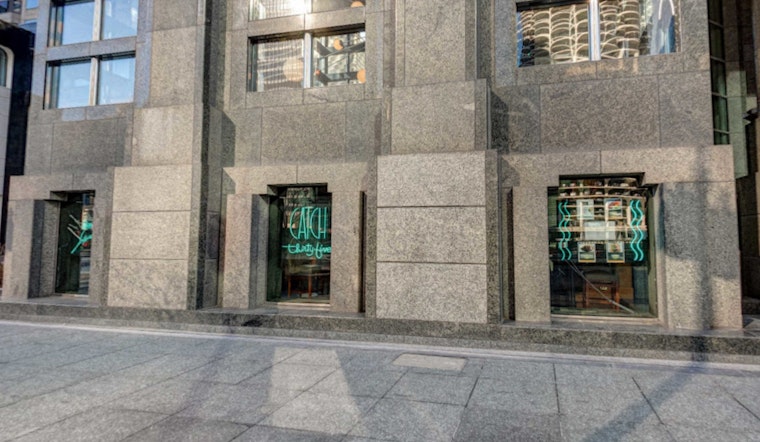
Similarly, Catch 35, a prominent seafood locale in the Loop revered for its live jazz, will be closing its doors at the Leo Burnett Building after a venerable 35-year run. The restaurant, along with its breakfast and lunch offshoot Catch and Carry, suffered from an incomplete recovery after the pandemic. Before serving its last meal on October 19, owner Sam Berngard cited the shift to remote work as a critical blow to patronage, leading to an unfortunate, but inevitable, end—Berngard shared with ABC7 Chicago that they "never truly recovered from pandemic shutdowns." Despite the closure, Catch 35’s Naperville spot appears unscathed and is even recruiting new staff.
Tradition Gastropub and Kitchen is another casualty in this wave of closures. Once a bustling spot for after-work relaxation at 160 N. Franklin Street, the gastropub famed for its happy hours closed down in September, following a decline in downtown workers. And up north in Uptown, Anna Maria Pasteria, an Italian restaurant beloved for 35 years, has also dimmed its lights for the last time. Owner Anna Maria Picciolini has opted for retirement, leaving behind a legacy of customer loyalty and love for her cuisine. In an online note, Picciolini expressed her gratitude: "Your unwavering support, your loyalty, and your love for our food have meant the world to me."
While the fate of some rests in hopeful hibernation or bids for new ventures in uncharted territories, others conclude their chapters on a nostalgia-tinged note. As Chicago’s culinary landscape continues to evolve in the aftermath of the pandemic's upheavals, patrons and restaurateurs alike grapple with the ever-changing realities of city life and dining. With each closure, the tapestry of Chicago's food scene is inexorably altered, reflecting broader economic and social shifts—a narrative that is, sadly, all too familiar in cities across the country.





