

























































A Maryland man finds himself in legal jeopardy following an indictment for allegedly playing a key role in a $35 million bank fraud scheme. U.S. Attorney Andrew M. Luger announced the charges, which stemmed from a conspiracy that spanned over a year, involving federally insured banks and credit unions across Minnesota, Wisconsin, and other locations.
Karl Reid Selle, a 38-year-old from Bowie, Maryland, is accused of collaborating with Matthew Thomas Onofrio and others to execute a fraudulent scheme centered around commercial real estate investments. According to the U.S. Attorney's Office, the duo manipulated financial information to sway lenders to finance these investments improperly. This alleged fraud not only involved falsifying documents but also actively concealing critical information from loan providers, including undisclosed loans that significantly impacted investors' creditworthiness.
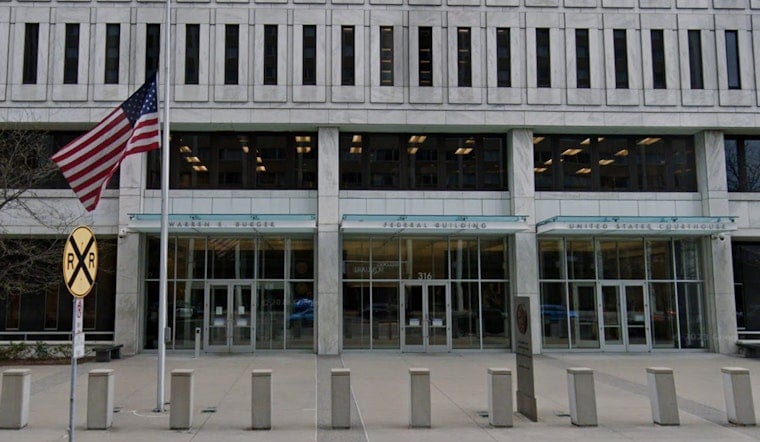
The indictment specifically charges Selle with one count of conspiracy to commit bank fraud. Selle appeared in a federal court in front of Magistrate Judge Douglas L. Micko last Tuesday. Notwithstanding Selle's charges, it is important to note that he is presumed innocent until possibly proven guilty in a court of law—a presumption central to the American justice system.
Highlighted in the indictment are the detailed ways Selle and his co-conspirator, Onofrio, allegedly looked to deceive lenders. Onofrio, through his business entity Northwoods Management LLC, was marketing a program to investors seeking to acquire commercial real estate. The pair is accused of changing the proper documentation and withholding vital information from the lenders. The FBI spearheaded the investigation into these allegations, signaling the seriousness with which federal authorities are pursuing financial malfeasance.
Assistant U.S. Attorney Robert M. Lewis is leading the charge against Selle, representing the government's push to clamp down on financial crime. While an indictment is nothing more than a formal accusation, if Selle is found guilty, the case may serve as a salient reminder of the consequences of attempting to manipulate the financial system. As the case progresses, more details are expected to emerge regarding the intricacies of the alleged fraud scheme.




