

























































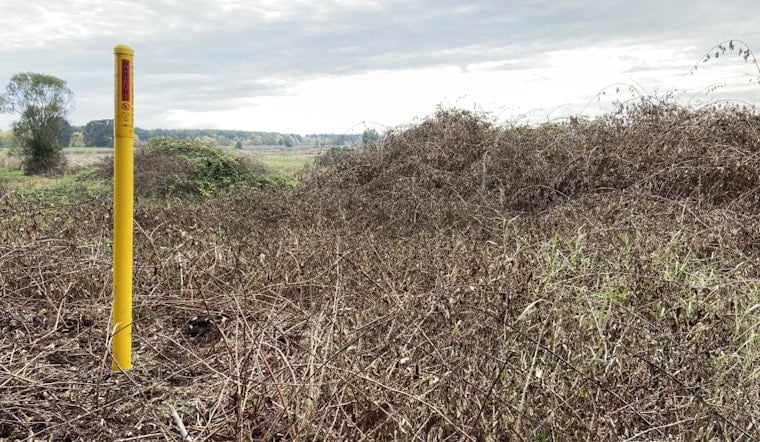
The Washington Department of Fish and Wildlife is moving forward with a new initiative to rejuvenate the Cowlitz Wildlife Area in Lewis County, with plans set to commence today, as per official statements. To improve habitat conditions, prescribed burns will be introduced to the Davis Lake Unit, aiming to enhance the environment for a variety of wildlife species.
With plans to carry out burns over two small areas, estimated between 15 to 25 acres, the operations depend on favorable weather conditions. The burns, scheduled to take place on consecutive days, will lead to restricted access in certain areas of the wildlife area for safety reasons. Signs will be posted to notify the public of the ongoing prescribed fire efforts. Additionally, while smoke is expected, measures are being planned to minimize its impact on the surrounding area, according to the WDFW statement.
Prescribed fires serve as a tool in the larger tapestry of habitat management. This controlled application of fire is vital for nurturing wildlife habitats, mitigating invasive species, fostering diverse plant communities, and spurring the growth of indigenous flora. These burns are meticulously overseen and sustained until they are fully extinguished, reflecting a commitment to precision and safety.
The application of these burns represents a collaborative endeavor involving WDFW and various partners, including the Washington Department of Natural Resources and local fire districts. The team is backed by professional fire crews, who hold expertise in managing such ecological operations in southwest Washington.
The Cowlitz Wildlife Area extends over approximately 14,000 acres across eight units and is a crucial piece of land held by Tacoma Power. This sanctuary, under the custodianship of WDFW, provides a compensatory habitat for wildlife affected by the Mayfield and Mossyrock dams situated along the Cowlitz River. The targeted Davis Lake Unit plays home to species such as black-tailed deer, elk, and waterfowl, boasting a unique ecosystem with its forage fields, a large pond, wetlands, and riparian forests. WDFW takes pride in managing over a million acres of land and numerous water access points throughout Washington, ensuring the preservation of the state's natural landscapes for its wildlife and for its people.





