

























































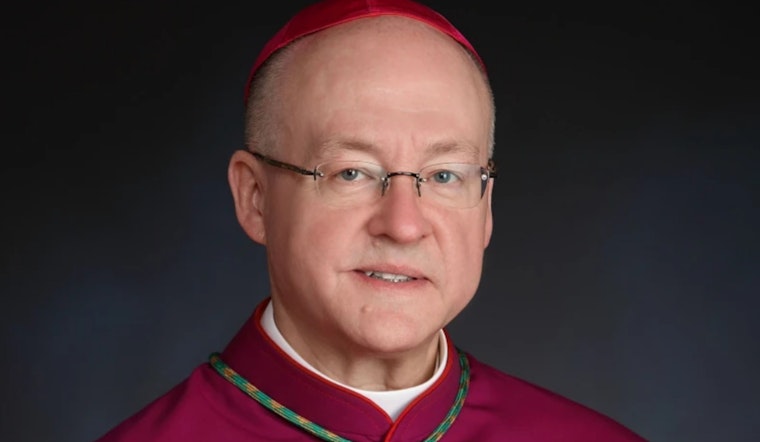
In a move marking a significant clerical shift within the Catholic Church, Chicago Auxiliary Bishop Jeffrey S. Grob has been appointed as the successor to Archbishop Jerome E. Listecki of Milwaukee. The Chicago Sun-Times reported that the Vatican announced this decision on Monday, with Grob slated to be installed as the 12th Archbishop of the Archdiocese of Milwaukee come January 14.
Grob, 63, steps into his new role following Listecki's issued notice of retirement on his 75th birthday in March, as church canon law requires. His pastoral journey is set to continue in his home state, where he desires to engage with the local community at a grassroots level. “I’m not afraid to stand alongside anyone, and roll up my sleeves and work," Grob elaborated in a recent assembly with reporters and seminarians, as detailed by the Milwaukee Journal Sentinel. Listecki will maintain his position until then, despite the impending transition.
The leadership change comes at a challenging time for the Catholic Church, which is grappling with diminished congregations and the navigating of societal and cultural divisions. Grob confronts issues such as a declining Catholic population, repurposing empty facilities, a significant need for more priests, and stark divisions over topics like abortion and LGBTQ+ acceptance. In a statement obtained by the Chicago Sun-Times, he expressed excitement and gratitude for the opportunity to commit to service in the Archdiocese of Milwaukee.
With a substantive academic background including two doctorates, Grob also brings his personal life into his vocational weave. Coming from a dairy farm near Cross Plains, he remains a lifelong Badgers fan. Grob's deep-rooted connections to the state might play a key role in how he leads a diocese that has historically been a linchpin for local communities. The Milwaukee Archdiocese, as noted in a Milwaukee Journal Sentinel interview, is an expansive territory covering 10 counties and is home to numerous Catholic parishes and schools battling to maintain their presence amidst various socioeconomic challenges.
Upon his installation, Grob joins the ranks of Wisconsin natives leading the state's dioceses, a fact likely to resonate with local communities who share in this collective identity. As the Catholic Church in Milwaukee embarks on a new chapter, Grob's background as a scholar, a proponent of synodality, and his experience intimately connected to the land and its people, set the stage for a tenure that seeks renewal in a time of change.




