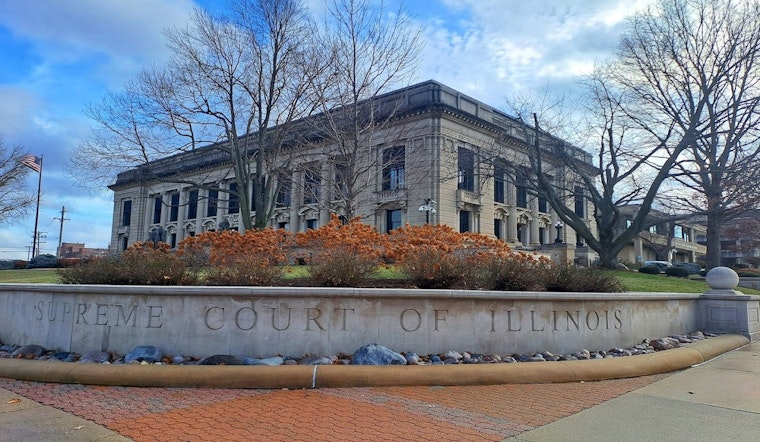
In a watershed legal decision, the Illinois Supreme Court has overturned the conviction of former "Empire" actor Jussie Smollett, which has been linked to a 2019 hate crime hoax. Justice Elizabeth Rochford authored the ruling that argues double jeopardy and due process were violated due to a previously agreed non-prosecution deal, veering from the stance of the special prosecutor that the dismissal of the case endorsed by the Cook County State's Attorney’s Office should not impede further prosecution. According to NBC Chicago, the court detailed that they "resolve a question about the State's responsibility to honor the agreements it makes with defendants."
Despite his maintaining of innocence since the initial charges, a special prosecutor reinstated the case after the original indictment was dropped, which led to Smollett being convicted of five counts of disorderly conduct and sentenced to 150 days in jail in 2021. He was then released after serving six days while his appeal was underway. In their ruling, the state's highest court with defense attorneys, setting the controversial conviction aside, as reported by CBS News Chicago. Smollett's legal team successfully argued that the previously reached agreement, which involved forfeiture of a $10,000 bond, was binding.
"Prosecutorial agreements that induce a defendant’s specific performance should be enforced,” Smollett's attorney Nenye Uche had argued. Nenye Uche told justices that Smollett, according to the agreement struck with Kim Foxx of the Cook County State’s Attorney’s Office, surrendered his bond and performed community service in return for not being prosecuted, as noted by the court's statement. This agreement, per Smollett's defense and the Illinois Supreme Court's subsequent decision, should have precluded further legal action against the actor.
Justice Rochford's opinion clarified that reversing a non-prosecution agreement would not only break conventional contract principles but also undermine fundamental fairness in relations between the state and its citizens. The court has since remanded the case back to the trial court, mandating the formal dismissal of charges, which Miller, a former prosecutor, noted were surprising, aligns with due process rights. The decision from the court acknowledged the polarized public sentiment the case has generated but underscored the necessity for the state to honor its obligations.
While Smollett's legal battles regarding his conviction seem to have reached a resolution, the former actor is still embroiled in litigation with the city of Chicago. The city is suing to recoup more than $130,000 for the cost of investigating the supposed hate crime, while Smollett has filed a counterclaim accusing the police of malicious prosecution. CBS News Chicago’s legal analyst Irv Miller mentioned that the ruling by the Illinois Supreme Court bears no impact on the ongoing federal lawsuit.