

























































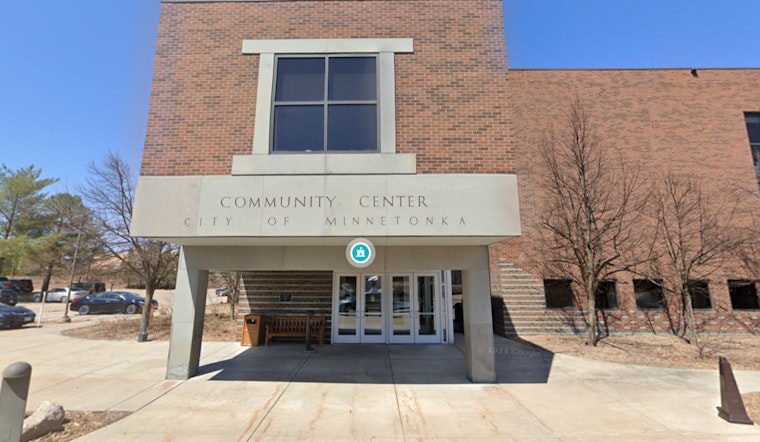
Minnetonka, a suburban enclaver just outside of the Twin Cities, recently put the finishing touches on a series of local ordinances that are reshaping the day-to-day of its residents, especially for those who favor cannabis or canine companions. The City Council, convening on November 18, took decisive action to more fully regulate the presence of dogs in public spaces. Under the newly adopted ordinances, come January 1, 2025, dog owners will need to keep their furry friends on a leash in all neighborhood settings. Furthermore, animals can happily tread through Minnetonka's parks but must be off-leash only in designated spots – a change taking effect May 19, 2025. These developments were detailed in a post-meeting rundown published on the city's official website, the city announced.
Not to be left out in the evolving landscape, cannabis regulations have seen a shift too. The council members passed three ordinances intended to to more closely align with state law and to assert the authority of the city amid evolving cannabis policies. The framework includes zoning protocols for cannabis businesses, registration requisites, and rules governing public use of the green stuff. These measures are yet one more piece in the mosaic of local governance, adapting to the present-day exigencies.
The council wasn't only focused on leisure activities though. They faced the pragmatic concerns of housing upkeep, voting to establish a Housing Improvement Area for Villas at Chasewood Association. This move allows the city to issue bonds and back them with Housing Improvement Fees, quite literal investments in the fabric of the community. Equally grounded are steps to streamline organics collection. By folding the service into the city's existing curbside program, residents can anticipate to actually pay less—rates drop to $3.10 from prior individual contracts—once the ordinance swings into full effect after December 2, consideration.
In a nod to sustainability, the City Council also gave the green light to a partnership with Minnesota's forestry leaders. An agreement was sealed with the Minnesota Department of Natural Resources, laying the groundwork for a joint workshop on wood waste reuse next summer. The state will fully foot the bill for the training, an investment looking to yield dividends in urban sustainability and waste management. In similar infrastructure strides, the council cleared the path for the Brightwood Forcemain Replacement Project. This essential update to the city's sewer system spells out a commitment to the minutiae of municipal health that often go unnoticed, yet are vital.
From tightening up tails in the neighborhood to dialing in on compostable carrots, Minnetonka's City Council is systematically ticking off boxes on its civic checklist. As ordinances evolve and take root, the city seems poised to foster both habitability and harmony, for its bipedal and quadrupedal residents alike.



