

























































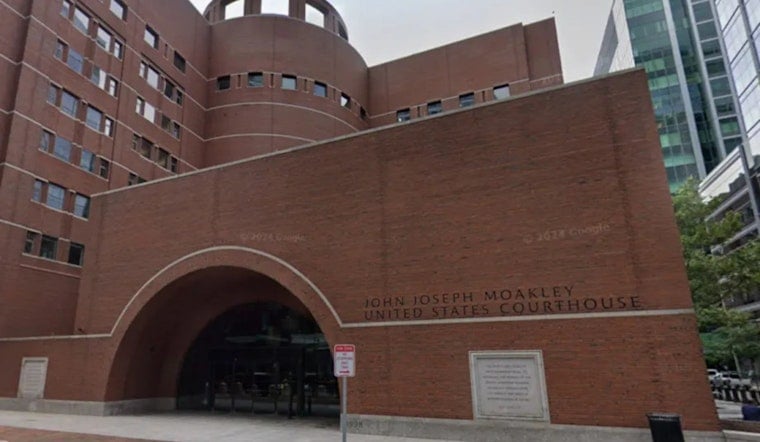
A man from Lawrence has been charged with fraudulent activity linked to COVID-19 relief funds and Social Security theft, as reported from a federal court in Boston. The individual, Randolph Dominguez, age 57, faces accusations of wire fraud and theft of government money, requiring him to appear in court at a later date yet to be announced.
Based on official documents, in mid-2020, Dominguez applied for a loan from the Small Business Administration's (SBA) Economic Injury Disaster Loan (EIDL) program, aimed to aid small businesses hit by the COVID-19 crisis. His claim suggested a gross business revenue of $600,000 in the year prior, while the actual figure was merely $16,989. According to the U.S. Attorney's Office, he is alleged to have pocketed $74,900 in EIDL funds, which he subsequently misspent on non-business related expenses.
Beyond this, the charges extend over two decades, alleging that Dominguez stole around $163,642 in Social Security benefits between April 2001 and June 2022. If convicted of wire fraud, Dominguez might face a maximum of 20 years in prison, coupled with three years of supervised release, and a fine that could reach up to $250,000 or double the gross gain or loss. For theft of government money, the sentence could be up to ten years, alongside a similar period of supervised release and equivalent fines.
Both United States Attorney Joshua S. Levy and Amy Connelly, a Special Agent in Charge at the Social Security Administration's Office of Inspector General, have confirmed the charges. The case will be prosecuted by Special Assistant U.S. Attorney James J. Nagelberg of the Major Crimes Unit. While the allegations paint a grim picture, it is critical to remember that they represent just that—accusations. Dominguez's legal presumption of innocence remains until, if ever, he is proven guilty beyond a reasonable doubt in a court of law.



