

























































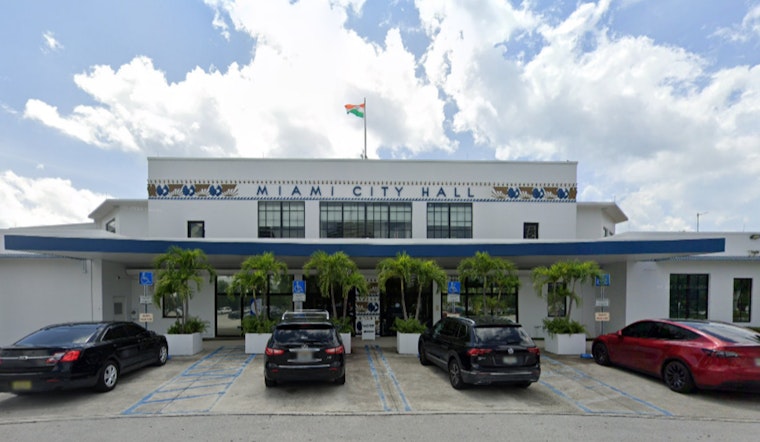
Months after launching a class action lawsuit against the city of Miami, residents of the predominantly Black West Grove neighborhood staged a protest outside Miami City Hall. With signs declaring "Stop environmental racism" and "Your pollution our health," they voiced their concerns regarding the historic trash incinerator nicknamed "Old Smokey." As reported by WSVN, community members believe the facility, operational until 1970, has left a legacy of contaminated land with serious health repercussions.
According to the same WSVN coverage, a resident emphasized the longstanding impact of "Old Smokey," stating, "It’s been gone since 1970, and the levels of the oxygen are so high that our quality of life continues to diminish." While the city has not yet commented on these ongoing protests, residents, including those who have suffered from cancer and other health issues potentially linked to the incinerator, are calling for accountability and resolution.
These health concerns are not isolated incidents, with William Marshall, a local resident, recounting to WSVN personal tragedy and illness linked to "Old Smokey." The Downs Law Group has fed into these concerns, revealing that a majority of sampled properties within a mile of the old incinerator site contained harmful dioxins, known carcinogens.
Meanwhile, at a recent march to Miami City Hall, other community members echoed these fears. Ozie Williams, 86, a cancer survivor and former neighbor to "Old Smokey," recalled the thought of having to see the incinerator pumping smoke every morning before today's protests, as described in an interview with CBS News Miami. She symbolizes a group seeking justice for generations affected by what they claim is a toxic legacy imposed by municipal negligence.
Miami Commissioner Damian Pardo noted the legal process, saying "This ruling ensures that the process remains thorough and deliberate. At this stage, we are waiting for the full presentation of facts. We remain committed to seeing this issue through to an informed and just resolution," in a statement obtained by CBS News Miami. Yet, for residents like Williams and activists represented by attorney Jason Clark, the city's motion to strike additional testing only adds to the distress and the urgency for remediation and restitution. The city declined to comment due to the litigation.





