

























































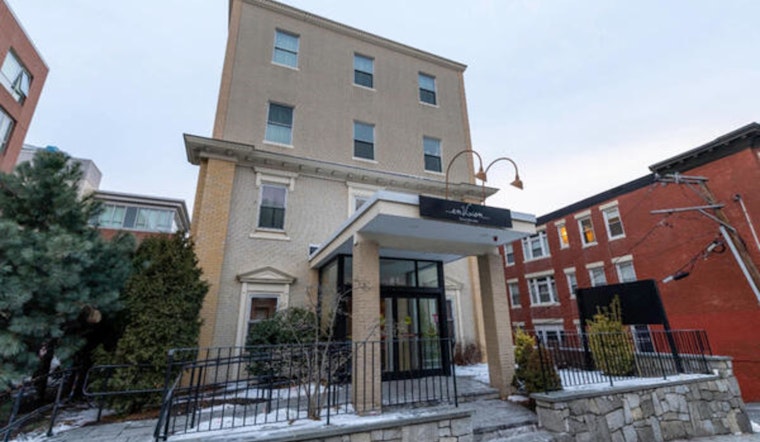
In a major stride towards addressing homelessness and substance use disorder in Boston, Mayor Michelle Wu, alongside Victory Programs, Inc. (VPI), announced the acquisition of the enVision Hotel to provide critical shelter services and supportive housing. A two-year contract has been secured with the nonprofit partner, extending operations through 2027 as reported by City of Boston's official news portal.
Since 2021, the enVision Hotel has operated as low-threshold housing, offering respite and stability to over 200 people navigating the complexities of homelessness, mental health issues, and substance use disorders, while helping many transition to permanent housing. Initially funded by the Massachusetts Department of Public Health Bureau of Substance Abuse Services, the program was set to end in December 2024. However, to prevent service disruption, the Boston Public Health Commission and the Mayor’s Office of Housing have stepped in to ensure continuity, Mayor Wu told City of Boston's official news portal.
Financial backing for this significant acquisition comes from a combined effort utilizing federal funds from the American Rescue Plan Act (ARPA) and a loan from the Community Economic Development Assistance Corporation (CEDAC). The acquired enVision Hotel, Championing a model that marries affordable living with essential on-site services, is set on a path transition from emergency housing to permanent supportive housing. The plans for the property's transition will accommodate residents currently living on the site, with new residents being placed through Boston’s Coordinated Entry system, which guarantees equitable access to housing resources for those most in need.
“This project highlights the power of investing and expanding on the programs in Boston that are working,” said Sheila Dillon, Chief of Housing while speaking on the effective service provided by Victory Programs at the site. The Boston Public Health Commission is also gearing up for a continued partnership to provide low-threshold housing opportunities for people who've faced chronic homelessness and have a substance use disorder, a sentiment echoed by Dr. Bisola Ojikutu, Commissioner of Public Health for the City of Boston, who detailed the information to City of Boston's official news portal.
At the helm of operations, Victory Programs is lauded for its commitment to inclusivity and providing second chances. Sarah Porter, Executive Director of Victory Programs, noted the significance of evolving the program from emergency housing to one that encourages sustainable self-reliance. The organization's history spans creating alternatives to incarceration for women with substance use disorders and pioneering services during the AIDS epidemic, as highlighted by City of Boston's official news portal.
Reiterating her commitment to making Boston a city for everyone, Mayor Wu continues to strive with partners to increase the availability of permanent supportive housing. According to the City of Boston's official announcement, the city has constructed over 250 units of permanent supportive housing, with more in various stages of development, as the city administration maintains its commitment towards combating homelessness through strategic investments in housing and health services.




