

























































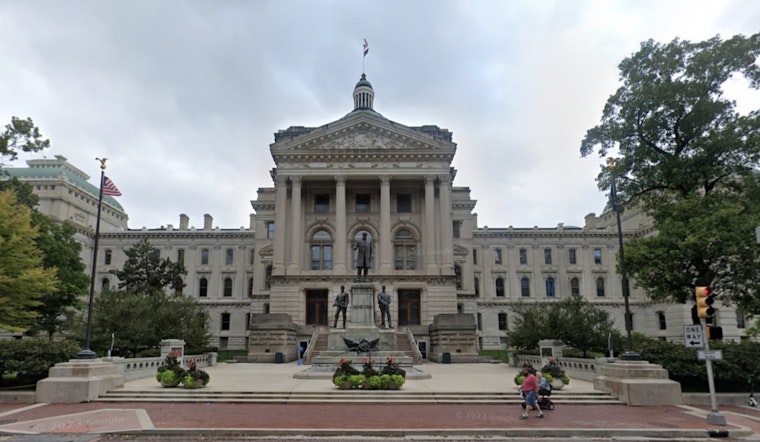
As Indiana's legislative session pushes forward, a collection of education bills are making headway, addressing issues ranging from school deregulations to teacher benefits; the GOP has indicated a focus on loosening school regulations and expanding private school options, while Democrats are intent on boosting public education funding, and enhancing pre-K access. The Indiana Capital Chronicle reports that roughly ten of these proposed bills have gained some traction, with some facing budget committee reviews.
In a legislative landscape dominated by Indiana Republicans, including the office of Governor Mike Braun, their educational policies notably favor deregulation and private school preference, creating tension with Democratic counterparts who are advocating for the opposite—calling for more funding and resources for public education, the Indiana Capital Chronicle details. Among the nearly thirty education-related bills that hit the floor, only a fraction are predicted to survive the legislative gauntlet by April's end, yet the array suggests a significant push on education reform from both sides of the aisle.
The legislation on the table spans a variety of topics with House Bill 1002, authored by Rep. Bob Behning, R-Indianapolis, aiming to streamline administrative processes for schools by peeling back existing requirements. House Bill 1201 tackles chronic absenteeism, proposing measures to combat truancy without resorting to suspensions or expulsions, while House Bill 1064 introduces the notion of facilitating high school athlete transfers without the necessity of an address change, according to Winchester News Gazette interviews.
Other key proposals include Senate Bill 146, which puts forth an increase in minimum teacher salary from $40,000 to $45,000 and Senate Bill 255, reducing STEM professionals' requirements for teaching licenses, with Proponents heralding these as pivotal steps toward resolving educator shortages. Critics, however, have voiced concerns about the potential loss of standards in these accelerated paths to the classroom, as reported by WYGS. A delicate balance is sought by those crafting and critiquing current legislation, with many bills promising to reshape the educational terrain in Indiana, nonetheless, the path forward is laden with ideological disputes and the arduous task of turning proposals into palpable change.



