

























































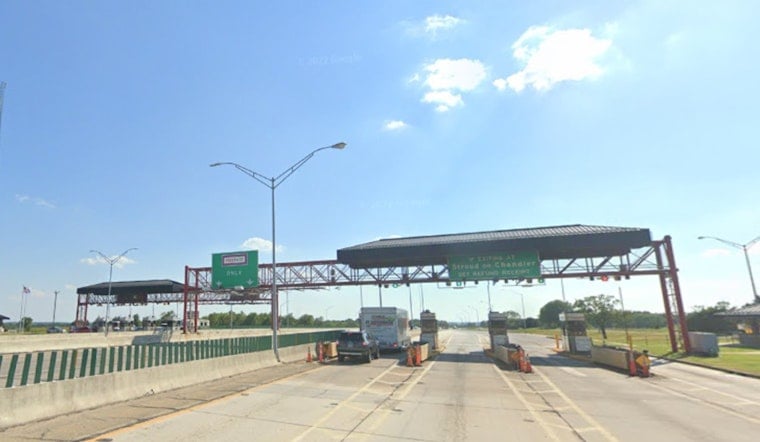
As of January 1, Oklahomans are now seeing their wallets a bit lighter when traversing the state's turnpike system. A new toll price hike is in effect, marking an uptick in travel costs—a financial shift keenly felt by frequent drivers. With increases varying depending on the road, the overarching message is clear: traveling in Oklahoma costs more in 2025. As reported by KOCO, for PIKEPASS customers, this manifests as an average increase of about $0.01 per mile, whereas it's an extra $0.07 per mile for others.
According to KFOR, Joe Echelle, the OTA Executive Director, has said the overall toll increase is 15%. This hike supports the Turnpike Authority’s Access Oklahoma Plan, which is set to expand and improve Oklahoma's turnpike system. The upgrade includes significant enhancements like the opening of two new turnpikes, something seen as a double-edged sword: a modernized infrastructure on one hand, and a blow to commuters' pockets on the other.
The cost increases affect the entire turnpike roster, from the Turner Turnpike to the H.E. Bailey. As McAlester News-Capital explained, the average toll rate for a standard vehicle now hovers around 7 cents per mile. While reflective of a systemwide adjustment in the economic landscape, commuters are nonetheless contending with an immediate and palpable uptick in travel expenses.
Looking ahead, more increases loom on the horizon. In two years, travelers may face an additional 6% rate hike due to inflation. "The turnpike authority board will review that every year before we prepare an agenda item and there's a possible ...possibility that if we have enough users, that rate could not need to be increased by 6%," Echelle stated in an interview with KFOR. Even as Echelle assures that Oklahoma's rates will remain below the national average, the incremental climbs engrain a sense of inevitability to the cost of mobility.
Funding from the toll revenue, which does not come from state tax appropriations, is funneled back into maintenance, operation, and payments on debt. With the implementation of ACCESS Oklahoma, this translates into a projected $8.2 billion investment over the next 15 years. The sprawling initiative aims to make travel safer and more reliable across Oklahoma, addressing burgeoning issues like congestion and infrastructure wear and tear through strategies which include widening corridors and enhancing emergency response capabilities. "It’s important that we remain competitive and affordable while balancing the increasing costs of construction, maintenance and operations," Echelle told McAlester News-Capital.





