

























































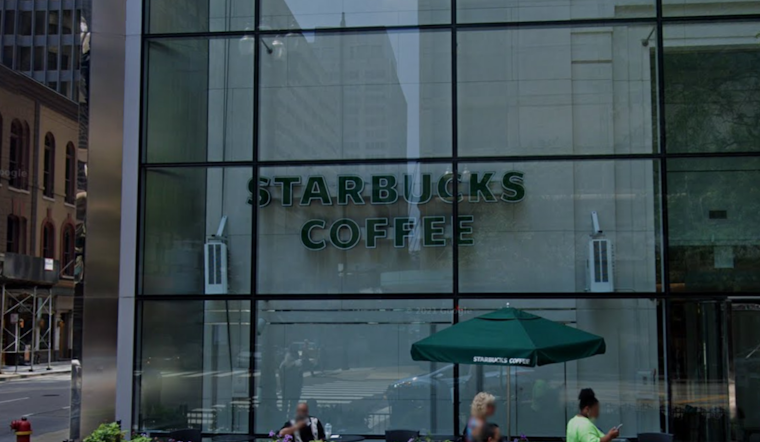
Starting today, Starbucks is implementing a significant shift in their customer policy, one that requires individuals to purchase hanging out or using the restroom in their locations. This update comes as a reversal of the more inclusive, open-door practice established in 2018, which allowed non-paying guests to use the facilities.
In a move detailed both by the Chicago Sun-Times and AP News, Starbucks spokesperson Jaci Anderson highlighted that the freshly introduced code of conduct is designed to prioritize paying customers. According to Anderson's statement obtained by the Chicago Sun-Times, "We want everyone to feel welcome and comfortable in our stores. By setting clear expectations for behavior and use of our spaces, we can create a better environment for everyone." This revised set of rules also includes restrictions against discrimination, harassment, and disruptive behaviors like drug use and panhandling.
The contemporary guidelines starkly contrast the sentiments expressed by former Starbucks Chairman Howard Schultz, who, in the wake of a 2018 incident, expressed his desire that no individual should feel "less than" due to being denied access. "We don't want to become a public bathroom, but we're going to make the right decision a hundred percent of the time and give people the key," Schultz told in a past interview.
However, difficulties with maintaining a safe and pleasant environment have reportedly plagued various Starbucks stores since then, leading to the closure of 16 outlets nationwide in 2022 due to safety concerns. Starbucks' new chairman and CEO Brian Niccol intends for this pivot to a more controlled customer policy as a strategy to help recapture the "community coffeehouse feeling," a sentiment he shared with AP News, while also aiming to boost the company's declining sales figures.
Employees will be trained to enforce this new policy, which includes counseling violators of the code of conduct and involving law enforcement if deemed necessary. The new policy seeks a balance between the sense of community that has long been associated with the brand and the need to secure a safe, enjoyable atmosphere for paying patrons and employees alike.





