

























































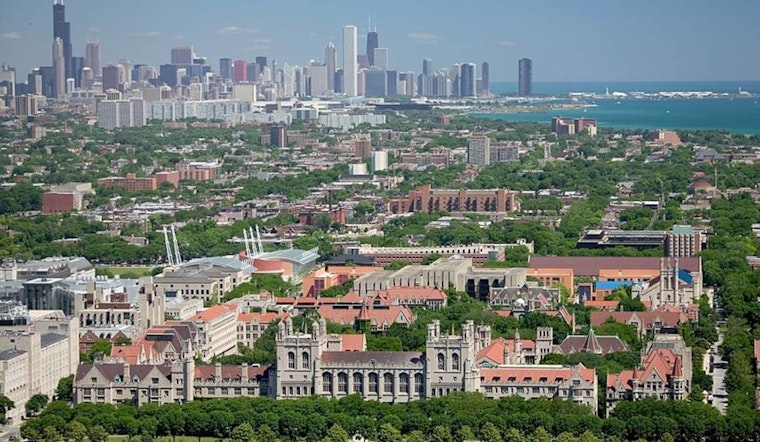
At the University of Chicago, a staple winter event known as Kuvia will not see its forty-first iteration this year, as student organizers decided to cancel the event in response to a controversy involving the arrest of one of their peers. Mamayan Jabateh, a senior at the university, was arrested on Dec. 11 and has since been charged with two counts of aggravated battery to a peace officer and one count of resisting a peace officer, the Chicago Sun-Times reported.
The tradition, which includes a series of wellness activities and culminates in a Polar Bear Run, has been a part of the school's culture since 1983, but this move by the students demonstrates their solidarity with Jabateh, who was actively involved in the preparation for Kuvia and is also a key member in student groups advocating for Palestinian causes and other social issues in a time when such activism on campuses is prevalent, according to CBS News Chicago.
Jabateh, in a statement obtained by the Chicago Sun-Times, had been working on final papers when officers came to their door, an event that has led them down a path that may jeopardize their academic and professional future - given their plans to apply to graduate schools and the uncertainty surrounding their suspension's duration. The university has not disclosed details of Jabateh's disciplinary status or future enrollment, maintaining confidentiality in compliance with federal privacy laws.
Despite the university expressing preparedness to support the event again this year, the absence of Kuvia will be felt by many who have come to appreciate the tradition. However, the circumstance has shed light on students' willingness to forfeit long-standing customs to stand against what they perceive as wrongs against one of their own, "Without us, this university and its traditions do not exist," Jabateh said in the interview with Chicago Sun-Times.





