

























































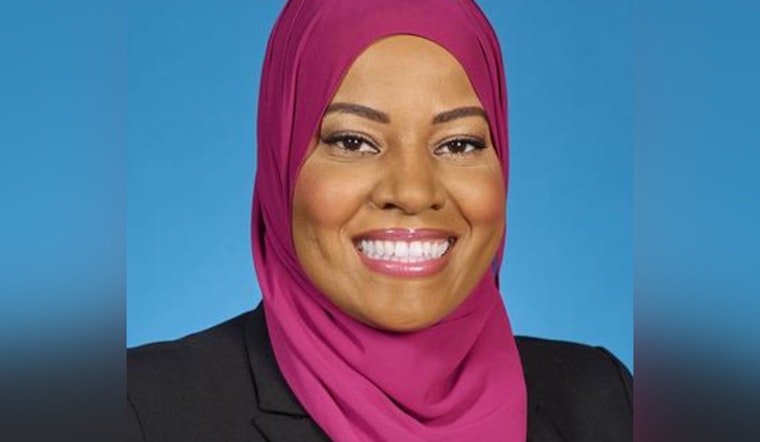
During a recent Council meeting, Boston's Councilor Fernandes Anderson introduced six resolutions aimed at addressing a range of issues, from education to economic development and public services. According to a report from the city's official website, these resolutions were unanimously adopted, potentially impacting the city's long-term growth and equality. Education is a key focus, with plans to relocate the Muriel Snowden International School to a better-equipped facility, offering much-needed updates to support a competitive learning environment.
Furthering support for small, minority-owned businesses, Councilor Anderson, joined by Councilor Worrell, proposed a digital marketplace pilot program, recognizing the digital divide that exacerbates racial wealth gaps, the pilot aims to assist BIPOC businesses in gaining online presence and facilitate local economic sustainability. Meanwhile, a disparity in pay and conditions for bus monitors, who currently earn an average of just $18 an hour and perform their jobs under challenging circumstances with limited rest periods, has prompted a call for salary increases and improved working conditions.
The "Recover Boston" initiative, championed by Councilors Anderson and FitzGerald, acknowledges the crisis of homelessness and substance abuse in Boston; it promises a recovery campus providing housing and vital services needed for a pathway out of addiction, as the city still reels from the closure of a key shelter and delays in healthcare infrastructure.
Additional news on the health front includes the recognition and aim to cooperate with the National Fitness Campaign that's building accessible outdoor fitness courts; this aligns with Boston's high spending on fitness but challenges the health disparities in neighborhoods burdened historically by higher rates of disease and lack of opportunities for physical activities. Lastly, Anderson's resolution throws weight behind the Nubian Square Task Force, which strives to tackle the intersection of homelessness and substance abuse with harm reduction approaches, support services, and equitable recovery systems.
Each resolution is matched by a corresponding urgency in the respective sectors, looking at the city’s infrastructure and policy through a lens that aims to rectify inequities and emphasize community welfare. Anderson's series of legislative moves could shape Boston as a leader in urban innovation and social justice, targeting areas of long-standing concern and fostering an environment where opportunity is not merely a function of privilege or past societal advantage.


