

























































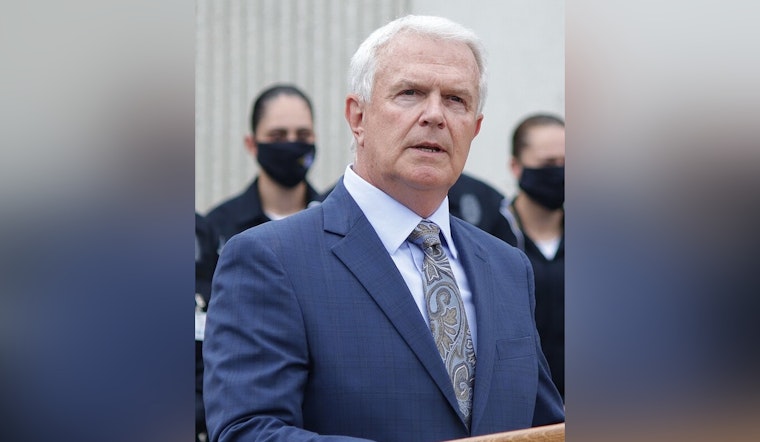
In a bid to combat the acute shortage of public service attorneys in Indiana's rural areas, State Rep. Greg Steuerwald has taken legislative action. Authoring a bill that aims to provide scholarships to budding lawyers, Steuerwald is targeting the worrying statistics reported by the Commission on Indiana's Legal Future. With over half the state's counties housing fewer than one lawyer for every 1,000 residents, the notion of "legal deserts" has been given credence by the American Bar Association's standards. According to the Indiana House Republicans, this scarcity could significantly compromise the quality and accessibility of justice for many Hoosiers.
Addressing the deficiencies within the criminal justice system is a priority, proclaimed Steuerwald. "The criminal justice system impacts the safety of all Hoosiers, and Indiana has a growing shortage of public service attorneys, especially in rural areas," he said. "For our courts to properly enforce justice, we need to find a way to make it more financially feasible for new attorneys to practice in smaller communities." The bill, House Bill 1049, is Steuerwald's response to the legal shortfall. Designed to draw more deputy prosecutors and public defenders statewide, the bill proposes a scholarship program for students willing to dedicate at least five years to full-time service in the state, as per Indiana House Republicans.
The proposed County Deputy Prosecuting Attorney and Public Defender Scholarship Program under House Bill 1049 offers up to $20,000 annually for full-time and $15,000 for part-time law students, which accounts for roughly 70% of total tuition costs. These figures, provided by the Indiana House Republicans press release, necessitate a five-year work commitment alongside the meeting of certain academic criteria to sustain the scholarship benefits.
Steuerwald's efforts are supported by the Commission on Indiana's Legal Future, which recommends investing in nonprofit law firms to help low-income individuals with sliding scale fees. The commission also suggests creating a legal incubator program to assist new law firms by providing necessary resources until they can operate independently. The goal is to address gaps in the state's legal system, ensuring more people have access to justice.





