

























































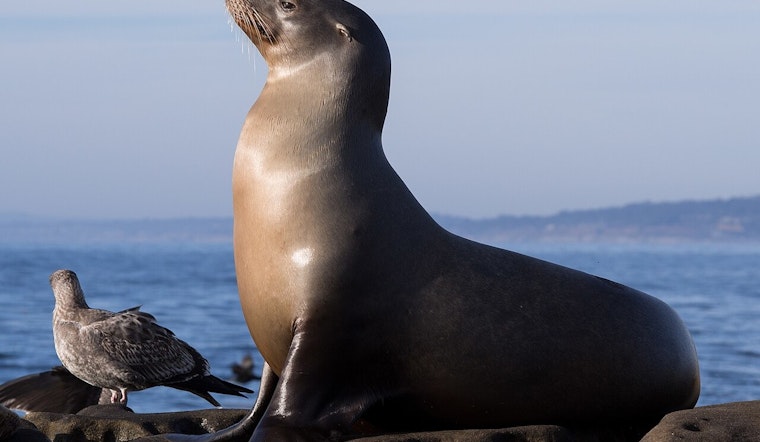
Malibu's latest environmental woe comes ashore with reports of distressed sea lions, beleaguered by what wildlife officials suspect to be domoic acid toxicity. The California Wildlife Center (CWC), based out of Calabasas, has been on high alert as the number of sick sea lions reported has reached over a dozen. "Though we have not confirmed the cause for these animals’ illness, their signs and the recent rains make the situation highly suspicious for domoic acid toxicity," the CWC posted on Facebook.
Typically, domoic acid events correlate with algal blooms from Pseudo-nitzschia organism, and these toxins, when ingested via contaminated fish, jeopardize the brain and heart of marine life. The CWC highlighted this concern, noting that impacted sea lions exhibit severe neurological symptoms like seizures, "stargazing," or even enter comatose states, as per their social media announcement. Beyond neurological damage, and, the toxic exposure can lead to potentially fatal outcomes for these sea lions.
Beachgoers are therefore cautioned to steer clear of any sea lion that appears unwell and to avoid direct interactions with these usually playful creatures now prone to confusion and possible aggression. "These animals are suffering and confused; do not interact directly with animals such as sea lions in distress as they may lunge and bite without warning," cautioned the CWC in a statement obtained by KTLA. Concerned citizens who encounter distressed sea lions are urged to call or text the CWC's Marine team at 310-924-7256 for appropriate intervention.
The recent rains are believed to have washed nutrients into the ocean, aiding the bloom that leads to higher levels of domoic acid, with NBC Los Angeles emphasizing the relationship between weather patterns and toxic algae. "Though we have not confirmed the cause for these animals’ illness, their signs and the recent rains make the situation highly suspicious for domoic acid toxicity," the wildlife agency shared in a report from NBC Los Angeles. The focus now shifts to mitigating this suspected domoic acid event to prevent further distress to the marine inhabitants of Malibu.
As the situation unfolds, the CWC continues to monitor and respond to calls for assistance, underlining the urgency of the matter and the importance of the community's cooperation. The sick sea lions are not only a concern for local biodiversity but also a stark reminder of the intricate balance between the environment and its inhabitants, which CBS News Los Angeles reflected upon in their coverage of the suspected outbreak: "Signs in marine mammals include seizures, a craning head motion known as 'stargazing,' and highly lethargic or comatose states," reported CBS News Los Angeles. The collective effort of the community and wildlife officials is crucial in navigating the crisis and safeguarding the welfare of these iconic creatures.





