

























































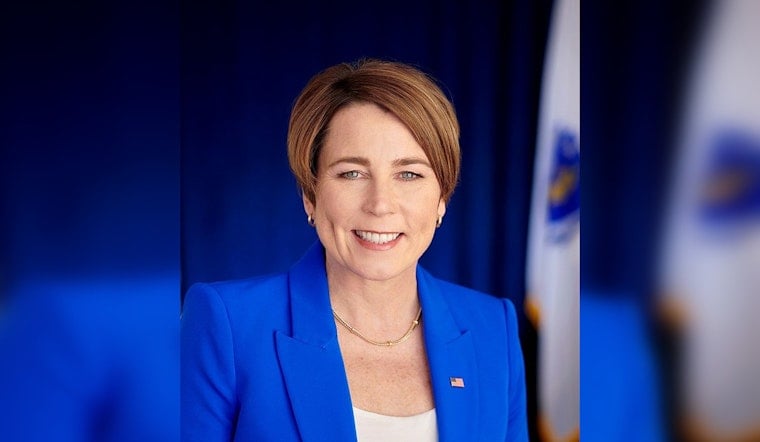
Governor Maura Healey is sounding the alarm on the new tariffs the Trump administration plans to impose, explicitly detailing their expected negative impact on the Massachusetts economy and residents' wallets. In a statement, Healey laid out the stark forecast for her state, with a spotlight on the inflating costs of essential goods fundamental to everyday life. "The President’s tariffs represent nothing more than a giant price hike on the cost of groceries, clothes, phones, housing, and energy," Governor Healey expressed, in words captured by the official Mass.gov news release. She highlighted New England's potential $200 million yearly spike in electricity costs, while projecting lumber shortages that could hamper housing availability and soar construction prices.
Breaking down the specifics of these tariffs, the governor pinpointed the impact of a 25 percent tariff on goods from Canada and Mexico, and a 10 percent tariff on Chinese imports. Set to increase are the costs of dairy and softwood lumber from Canada—essential elements in everyday food consumption and housing development. Tariffs on Mexico threaten to inflate expenses for fruits, vegetables, and automotive parts. As for the wares arriving from China, items from smartphones to furniture are expected to see price jumps. The governor worries about retaliatory measures, which could ensnare American exports in a punishing cycle of trade reprisals.
Particular concern was reserved for industries that drive the Massachusetts economy. The dairy sector, ensnared by tariffs on Canadian imports, braces for turbulence as the prices of milk, cheese, and butter are set to climb. Construction sectors, too reliant on softwood lumber, foresee a scenario where nails are driven not into planks but into the coffins of affordable housing as project costs mushroom. The auto industry, with intricate cross-border supply lines, stares down the barrel of price hikes for both vehicles and parts—crippling for a region intimately linked to the trade of cars and car components. Furthermore, as New England girds itself for escalating energy bills, a chill runs through a region already acquainted with the harsh bite of winter.
A broad spectrum of necessities, from the avocados and tomatoes trucked in from Mexico, to the ever-pervasive electronics and garments sourced from China, appear destined for costlier price tags. The implementation of such tariffs, per the governor's analysis, won't just nick the state's pocketbook—it portends a significant upheaval in everyday economic life for the residents of Massachusetts. The ripple effects go beyond kitchen tables and reach the very assembly lines and harvest fields that keep this American corner humming. Governor Healey's tone rings clear: these are not mere adjustments, but a seismic shift in the financial landscape—an assertion that mirrors concerns of businesses and households alike, who face an approaching tide of challenges wrought by these policies.





