

























































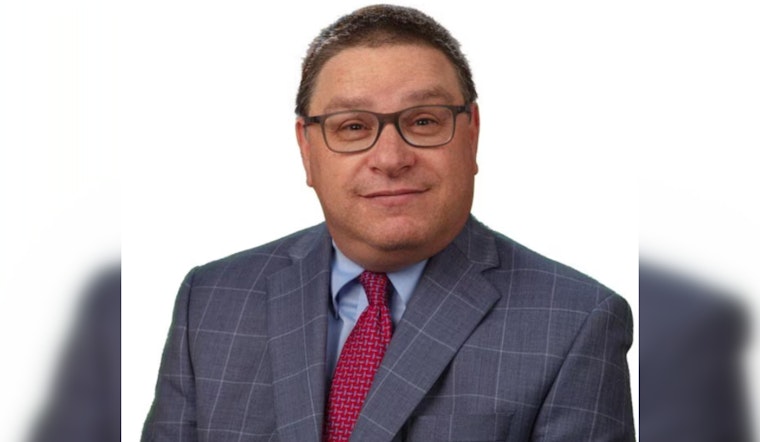
The saga of Everett Mayor Carlo DeMaria's longevity payments continued to unravel today as Massachusetts Inspector General Jeffrey S. Shapiro called upon the Everett City Council to reclaim a substantial sum of $180,000, the amount deemed improperly paid to DeMaria. These payments, which spanned from 2016 to 2021, initially were intended as incentives for long-serving municipal employees, according to the Boston 25 News.
The Inspector General's conclusions came after allegations emerged that DeMaria had influenced the crafting of the city ordinance to indirectly grant himself $40,000 a year, when the payments should have been much less frequent and less substantial. "I am not aware of any elected official in the Commonwealth who receives a $40,000 annual bonus," Shapiro said, signaling the unusual nature of such a payout, as noted by Boston 25 News. The situation suggests a need to tightly scrutinize not only salary structures but also the mechanisms by which they are decided and revealed.
Details shared by the Boston Globe highlighted Shapiro's criticism of the DeMaria administration for categorizing most of the longevity bonuses under a human resources line item, which likely evaded the notice of city councilors and residents during budget reviews. Also contained within Shapiro's recommendations was a call for the council to eradicate longevity payments to elected officials and enforce a training regimen on fiduciary duties for city personnel.
The OIG's findings have painted a picture of an administration that appeared to carefully orchestrate the movement of funds in a way to benefit the mayor. "Through their misapplication of the longevity ordinance and their efforts to conceal all but the first payment, the mayor and members of his administration, including his CFO and budget director, failed to uphold their fiduciary duties and their obligation to the people of Everett," Shapiro explained, as detailed by the Boston Globe. This storyline of funds being channeled unbeknownst to the rightful overseers of the city's coffers has triggered calls far and wide for corrections and accountability.
Following these revelations, the city council implemented changes in March 2022, reducing longevity payments to $1,700. This adjustment marked a shift from the higher bonuses of previous years and reflects an effort to enhance financial oversight. The Everett City Council is now responsible for implementing Shapiro’s recommendations and determining the future of longevity payments in the city’s governance





