

























































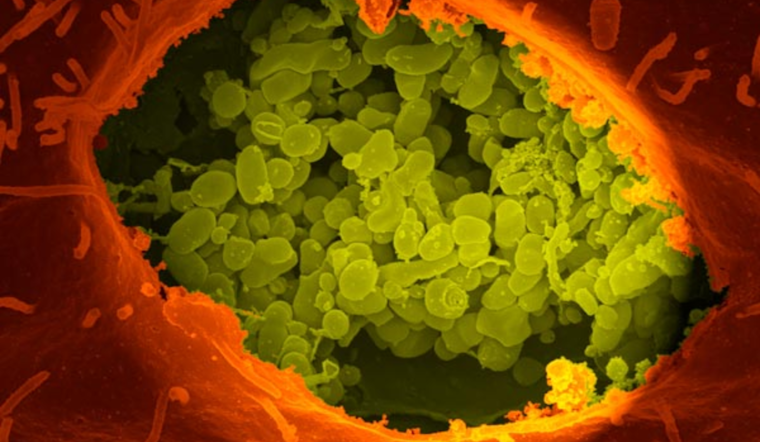
With spring season fast approaching, Texas livestock producers are gearing up for the birthing season, but this year there's a heightened sense of vigilance with Q fever in the mix. A warning has been issued by the Texas A&M Veterinary Medical Diagnostic Laboratory (TVMDL) for those in the agribusiness to keep a lookout for the bacteria that could pose a threat to not only animals but also humans. Q fever, as it turns out, is not as quaint as its name might suggest.
According to Texas A&M AgriLife Today, Dr. Terry Hensley, DVM and assistant agency director of TVMDL, has emphasized the breadth of Q fever's reach. “It can affect a wide range of animal species, including livestock like cattle, sheep and goats,” Hensley said. It's when reproductive losses are detected that the concern for Q fever spikes, given its potential as an underlying cause.
This isn’t the first time that Q fever has reared its head, it’s a recurrent concern that comes with a suite of challenges every spring. Health experts at TVMDL are pushing for increased surveillance and precautionary measures among livestock producers to mitigate risks associated with the disease. While humans are less commonly affected than animals, the zoonotic risk is significant enough to warrant extra measures.





_in_an_infected_cell_(20495469630).jpg)