

























































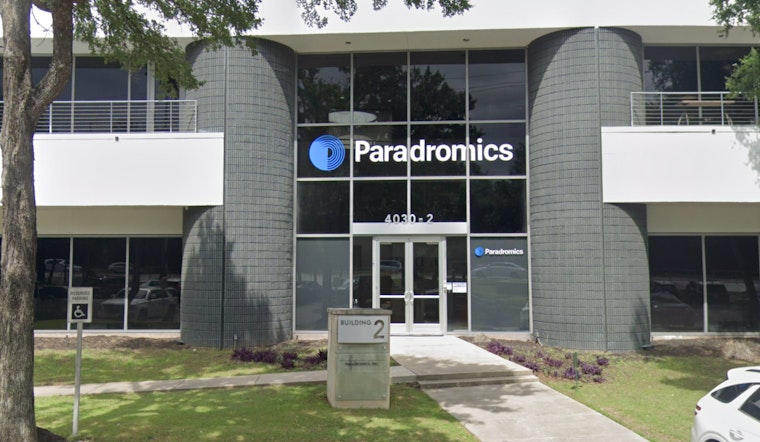
Austin-based Paradromics is pushing the envelope with its revolutionary brain-computer interface (BCI) technology, aiming to restore the ability to communicate in individuals left speechless by paralysis. Today, the neurotechnology company announced the partnership with established physicians, Dr. David Brandman and Dr. Daniel Rubin, to kick off the upcoming Connexus BCI Clinical Study.
With a target launch date in late 2025, pending regulatory nods, the study will hone in on the Connexus BCI system, designed for patients who've lost their speech due to conditions like spinal cord injuries, stroke, or ALS, CBS Austin reported. Dr. Brandman, who brings his expertise as a neurosurgeon and assistant professor in the Department of Neurological Surgery at UC Davis Sacramento, was appointed principal investigator. Dr. Rubin, a critical care neurologist at Massachusetts General Hospital and assistant professor of neurology at Harvard Medical School, will take on the role of investigator. Both are recognized for their contributions in the BCI technology field, especially in the context of paralysis and communication disorders.
The technology, which sounds almost like something out of a science fiction plot, involves implanting a device under the skull that reads neuron activity with the help of 421 platinum micro-wires, each thinner than a hair. Even though physical movement is not possible in patients suffering from paralysis, "neurons in their brain are still doing what they would have been doing when they could control their body, but they're not talking to anything," CEO and founder of Paradromics, Matt Angle, told CBS Austin. The Connexus BCI aims to intercept and translate these neural signals into synthesized speech or text.
While the primary focus of the clinical study is restoring speech, Paradromics isn't stopping there. Angle envisions a future where the BCI technology might also offer therapeutic devices for other brain conditions such as depression, bipolar disorder, or Parkinson's disease. "What if instead of having to wait for a cure for those conditions, what if there were a therapeutic device that they could receive now that would help them?" Angle mused in the CBS Austin interview.
Further, Paradromics landed a strategic investment last month from NEOM, the burgeoning region in Saudi Arabia, with plans to establish a BCI Center of Excellence and position themselves at the forefront of BCI-based healthcare in the MENA region, MassDevice reported. This move highlights the expanding horizon of the BCI space, increasingly crowded with players like Neuralink and Blackrock Neurotech, all gunning to be the first to market with such transformative technology.
The company's participation in the FDA Total Product Life Cycle Advisory (TAP) program since July 2024 and its newly launched patient registry forms part of preparatory measures for the anticipated clinical trial. These advances signal a growing market opportunity for BCIs, suggesting Paradromics is poised to make significant headway in the realm of high-stakes neurotechnology.




