

























































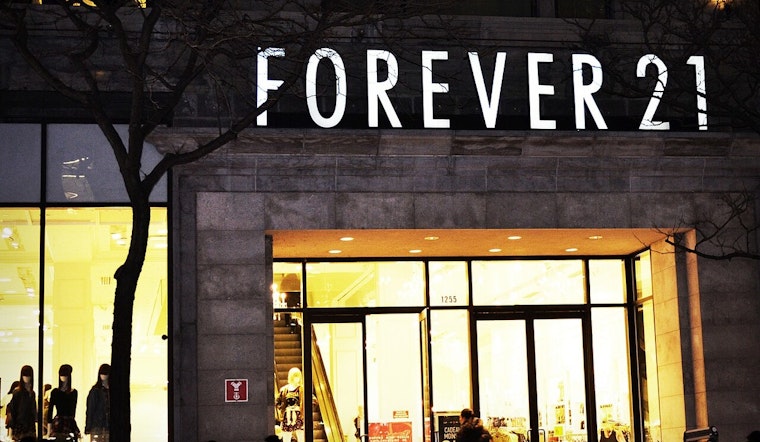
The retail world received news of Forever 21's second dive into bankruptcy with implications for stores nationwide, including a significant impact in Illinois. F21 OpCo, the operator behind Forever 21 stores, announced late Sunday its decision to file for Chapter 11 bankruptcy protection while they evaluate the company's future, which may involve a sale of some or all assets, as reported by the Chicago Sun-Times. The retailer is struggling against fierce competition from online giants like Amazon, Temu, and Shein, amid dwindling mall traffic.
According to Brad Sell, the Chief Financial Officer of F21 OpCo, the challenge presented by foreign fast fashion companies and advantages like the 'de minimis' tax exemption have undercut the brand's pricing and margin, making sustainability elusive, as covered by both Chicago Sun-Times and NBC Chicago. The 'de minimis' tax exemption allows for shipments valued at under $800 to enter the U.S. without taxes or duties, presenting a significant advantage to overseas competitors.
As the company commences the liquidation process across its U.S. stores, Illinois will see its 15 locations affected. Notable closures include stores at Water Tower Place and others spread across vital shopping centers like Fox Valley Mall and Chicago Premium Outlets, among various regional hubs. The timeline for these shutdowns has not been specified, but liquidation sales are expected to draw consumer attention in the coming months.
Despite the closures within the U.S., Forever 21's global operations appear to be unaffected. The international intellectual property of the brand is owned by Authentic Brands Group which may continue to license it to other operators, some of which run international Forever 21 stores and websites. "We’re building a direct creation-to-shelf model that moves faster," Jarrod Weber, Global President, Lifestyle at Authentic Brands Group, told the Chicago Sun-Times, indicating an attempt to modernize distribution despite the ongoing challenges.
Since its inception in 1984, Forever 21 experienced a wave of success, especially during the Great Recession when bargain-seeking became a consumer trend. However, as reported by NBC Chicago, an overly ambitious expansion paired with the shift of shoppers online leaves its brick-and-mortar locations oversized for current needs, according to Neil Saunders, managing director of GlobalData. The apparel market's turbulence and the aforementioned competition from Chinese marketplaces contributed heavily to the retail chain's declining market share. Forever 21 joins other retailers such as Joann and Party City in a growing list of businesses that have sought bankruptcy protection or are liquidating amidst inflation and a slowdown in consumer spending.





