

























































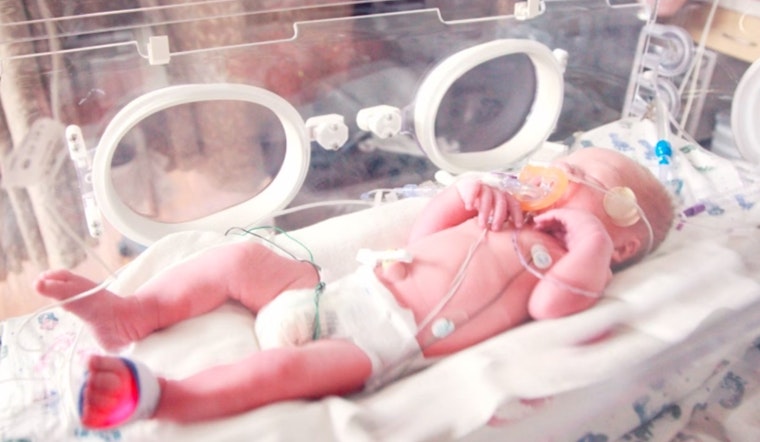
Researchers at the Georgia Institute of Technology have developed a pacifier that monitors electrolyte levels in NICU babies via saliva, offering an alternative to the painful blood draws these infants typically endure. This innovation helps reduce the invasiveness of medical procedures for vulnerable newborns, as reported by GPB.
The pacifier allows doctors to non-invasively collect real-time data on sodium and potassium levels in newborns. This method replaces the old practice of frequent blood draws, which are both painful and challenging for medical staff. "It's going to be a lot more convenient for clinicians and physicians," Hong Yeo, associate professor at Georgia Tech, told GPB. "And also smarter than the existing system in a way that it can provide continuous data sets instead of discrete measurement using blood."
The design of the pacifier blends multiple disciplines, including mechanical engineering, bioengineering, material science, and electrical engineering. Yeo, inspired by a pediatric technology conference, led the effort to create the device. The pacifier collects saliva through its nipple, directing it into a reservoir where sensors measure and relay electrolyte levels.
The pacifier also includes electronic circuits that enable wireless functionality, allowing it to connect to common devices via Bluetooth technology. Developed by Hojoong Kim, a research professor at the WISH Center, this feature allows physicians to monitor a baby's vitals through their smartphone or tablet at any time, as Yeo noted to GPB.
This innovation has the potential to expand beyond electrolyte monitoring. Yeo has suggested that future versions could measure other health biomarkers, such as lactate, glucose, and pH levels. This pacifier could mark the start of a new era in pediatric care, enhancing both comfort and safety for the smallest patients.



