

























































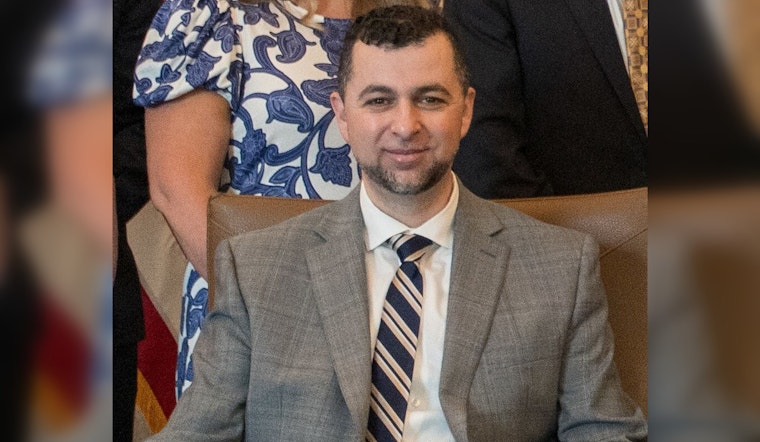
State Senators Fady Qaddoura and Rodney Pol Jr. are shining a spotlight on issues surrounding K-12 education funding in Indiana, raising concerns about policies that may shift funds away from traditional public schools. Addressing the Senate School Funding Subcommittee during its biannual meeting, the senators put forth a joint statement that was critical of recent legislative actions, as detailed in a report by Indiana Senate Democrats.
The policies in question – namely Senate Bills 1 and 518, along with House Bill 1001 – are feared to funnel hundreds of millions from public school students. “Indiana is moving in the wrong direction when it comes to K-12 education funding,” Qaddoura and Pol expressed, engendering a debate about the priorities of the state’s budgetary concerns, according to Indiana Senate Democrats. Amid a backdrop of economic inequality, the senators also brought into question the universal school choice policies, suggesting that increased appropriations seem to favor the wealthier echelons.
According to Indiana Senate Democrats, Qaddoura and Pol articulated their unease with expanding voucher eligibility to high earners, noting the discrepancy between Indiana’s median household income of $70,051, and the $230,000 income threshold for voucher eligibility. “Universal choice provides financial assistance to families who already have the means to send their children to private schools,” they said, shedding light on an issue where resources could be, perhaps, more judiciously allocated.
School funding allocations appear to widen the gap even further, with projections showing nearly 960,000 traditional public school students receiving an additional $190 million over two years – a per-pupil increase of about $198. Conversely, approximately 95,000 voucher students are pegged to receive $330 million, translating into a $3,469 increase per student. This disparity, described by Qaddoura and Pol, delves into the heart of educational equity, hinting at a system that might be preferencing private education with public funds. “If Choice is about educating all students, then why are we underfunding the one million students who choose traditional public schools?” they queried, framing the debate in terms steeped in educational justice and fairness, according to Indiana Senate Democrats.
Their stance, as documented by Indiana Senate Democrats, puts them on a course that sets the public school system against what they see as the encroachment of privatization subsidized by taxpayer dollars, steering the conversation towards what they believe is the more equitable path.





