

























































The battle against unfair medical debt collection practices in Washington State marches on as the Attorney General's Office files a lawsuit against Renton Collections, Inc. The debt collection company, responsible for sending over 400,000 notices since 2019, has been operating contrary to the state's legal measures aimed at protecting consumers. In contention is the agency's neglect to inform Washingtonians of their rights to details surrounding their medical debt, as required by state law.
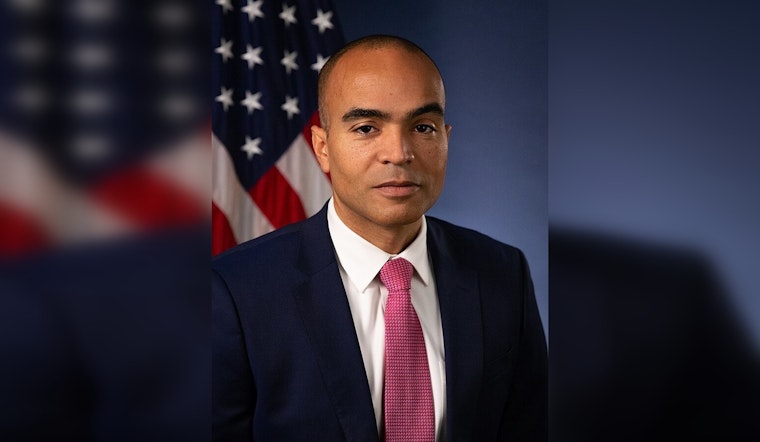
A lawsuit lodged by the Attorney General's Office accuses Renton Collections of not complying with the state Collection Agency Act amendments from 2019. These amendments are critical because they mandate agencies to disclose to consumers their legal entitlement to important information about their medical debts. Despite the law taking effect, it seems Renton Collections continued with their established practices, leaving consumers in the dark and reaping over $35 million from such collections. Of that amount, more than $7 million lined the agency's pockets as commissions. According to a statement from Washington State Attorney General Nick Brown, "Medical debt often stems from life’s unexpected events and can spiral households into bankruptcy. Our laws require collection agencies to respect people’s dignity by providing information about what they’re being asked to pay – but Renton Collections ignored this."
The filed case in King County Superior Court is not only seeking to halt Renton Collections from future violations but also to recoup the sums unfairly taken from consumers, with interest included. The move could also shield these consumers from future financial encumbrances - the lawsuit asks for a prohibition on the collection of any further interest, attorney fees, or other costs typically stacked onto the original debt by such agencies. Additionally, penal fines of up to $7,500 per violation are on the table, alongside recovery of fees and costs incurred by the Attorney General's Office in bringing this action.
Ironically, the Consumer Protection Division, which is spearheading this legal action, doesn't burden Washington taxpayers due to its self-funding mechanism. Funds for the division flow in from money recovered in cases against businesses that flout the Consumer Protection Act and its kin. The Attorney General's Civil Justice Operating Fund benefits directly from this financial model, backing essential divisions such as Consumer Protection, Antitrust, Wing Luke Civil Rights, and Environmental Protection, as well as the Medicaid Fraud Control and the Complex Litigation divisions.





