

























































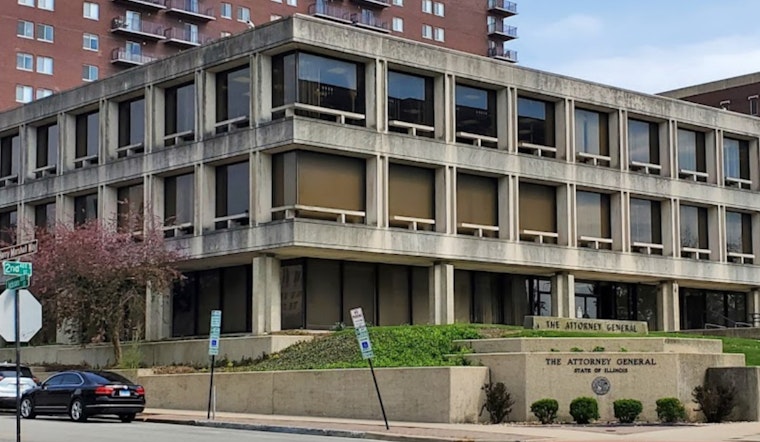
Attorney General Kwame Raoul is leading a group of 14 state attorneys general, pushing back against Congress over two bills that could slash the U.S. Environmental Protection Agency's (EPA) reliance on critical scientific research. The coalition sent a letter advocating to block moves that would prevent the EPA from using data from the Integrated Risk Information System (IRIS), which plays a vital role in protecting against toxic chemical exposure. The letter also opposed efforts to disband the EPA Office of Research and Development (ORD), the research backbone of the EPA, according to the Illinois Attorney General's office.
Raoul's statement highlighted the risk that these Congressional bills pose to public health. "The EPA must be able to conduct research and rely on scientific data in order to help Illinois and states across the nation identify and address the presence of toxic chemicals directly linked to cancer, birth defects and learning disabilities," Raoul said, emphasizing the importance of IRIS assessments, which are derived from an unbiased, scientific review process. This review determines at what levels various chemicals entering the environment can become harmful to human health. Without these assessments, it would be difficult for the EPA to protect the public effectively, which will jeopardize the health and safety of the entire country.
Additionally, the letter pointed out that the ORD's scientific research is a cornerstone used in many areas, including securing drinking water from natural and human-made threats, studying air pollution from wildfires, and examining contaminants such as PFAS. The potential plan to dissolve the ORD and lay off more than 1,000 scientists could profoundly impact the EPA's ability to uphold its duties of using the best available science for informed decision-making.
Provided by the ORD, scientific and technical resources are indispensable for assisting states in shielding residents from environmental hazards. In a specific case in Illinois, Raoul mentioned how the ORD provided crucial support to the Illinois Environmental Protection Agency in managing a crisis involving dangerously high lead levels in drinking water due to a change by a water utility supplier in University Park in 2019. These instances underscore the practical applications of ORD's work that could be endangered should the proposed dismantling proceed.
The coalition of attorneys general also used the example of the updated IRIS assessment for ethylene oxide in 2016, which led to the discovery of significant cancer risks for those near a medical sterilizer facility in Willowbrook, Illinois. Subsequently, Illinois passed laws to drastically reduce the emissions of ethylene oxide from these facilities. The attorneys general underscore the reliance of regulatory actions on such thorough scientific assessments and emphasize the nationwide implications of weakened environmental safeguards. States joining Illinois in the letter were Arizona, California, Colorado, the District of Columbia, Massachusetts, Maryland, Minnesota, New Jersey, New York, North Carolina, Washington, Wisconsin, and Vermont.



