

























































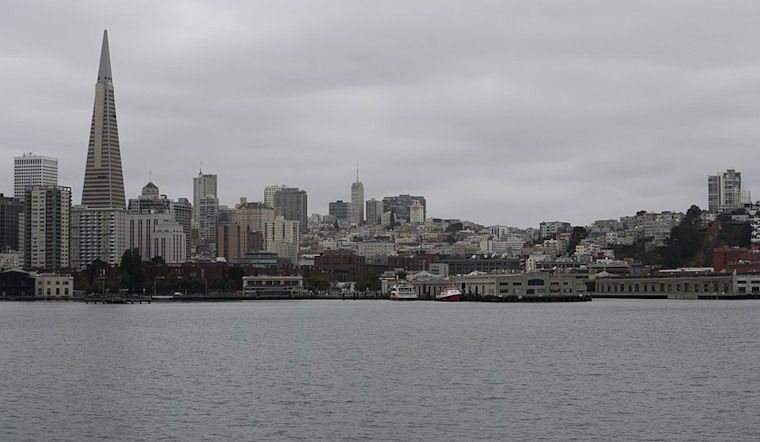
Bay Area locals should prepare for a wet and wild weekend as the National Weather Service San Francisco forecasts showers and isolated thunderstorms for the region. According to an announcement from NWS San Francisco, expected weather disruptions will arrive alongside a major systems upgrade planned for April 28 to 30. The service warns of potential impacts, including NOAA Weather Radio stations being temporarily off the air and the possibility of brief interruptions to climate summaries and regional temperature and precipitation tables.
The National Weather Service advises that the impending weather could produce hail the size of peas, which could accumulate to create slick driving conditions, particularly across the Central Coast and adjacent waters. The strongest potential for showers and thunderstorms is predicted to hover over the Central Coast area, notably increasing the chance of suddenly experiencing isolated ponding on roads. Caution is duly suggested, with the well-founded reminder: "when thunder roars go indoors!"
In an Area Forecast Discussion, the National Weather Service outlined a "cloudy and cool" setting for Friday, with rain and potential thunderstorms expected later in the day, persisting into Saturday. The most pronounced precipitation is expected in the southern regions of Monterey and San Benito counties, where isolated thundershowers could also pose risks of lightning strikes and hail accumulation. "Cool and cloudy conditions are the story of the day," stated the NWS San Francisco, anticipating temperatures to range from mid-50s to low 60s in lower elevations and somewhat chillier in higher terrains.
While the Bay Area may not catch the brunt of the storm, those craving a glimpse of California snow might get their moment, with the NWS mentioning a peculiar chance for snow accumulation on the peaks of the Santa Lucias and Diablo ranges. However, snowfall is expected to be limited to mountaintop areas, and winter weather advisories are not currently projected to be necessary. The low seems to have shifted slightly southward, sparing the Bay Area and its inhabitants from heavier downpours. "the main axis of rainfall shifting ever so slightly southwards," the NWS San Francisco elaborated, citing an amended forecast.





.jpg)